
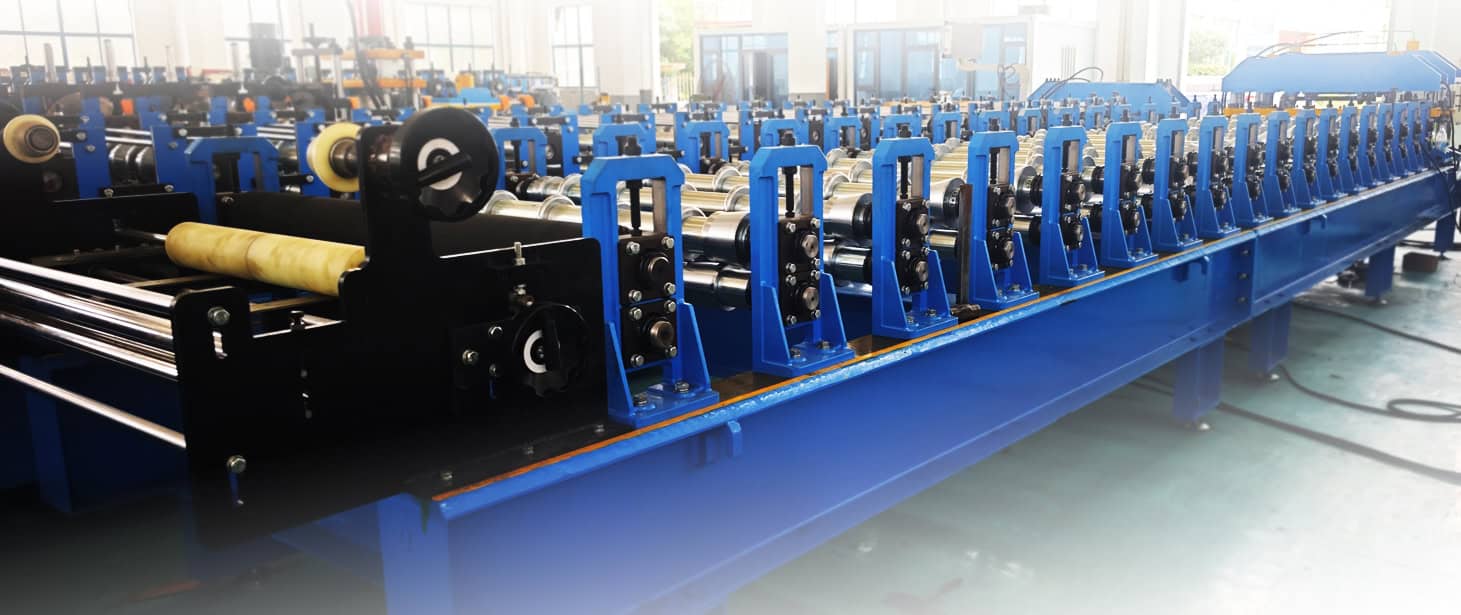
Why Preventive Maintenance for Roll Forming Machines Is Essential
Preventive Maintenance for Roll Forming Machines: Key Practices for Long-Term Reliability
Preventive Maintenance for Roll Forming Machines is one of the most effective ways to maximize production efficiency, minimize unexpected downtime, and extend equipment service life. While many manufacturers focus on production speed and automation, regular preventive maintenance often has a greater impact on long-term operational stability.
A well-maintained cold roll forming line produces consistent profiles, experiences fewer breakdowns, reduces spare parts consumption, and provides a lower total cost of ownership. According to World Steel Association, steel manufacturers continue developing higher-performance steel grades to support lightweight structural applications. Whether manufacturing roofing panels, cable trays, solar mounting rails, or structural steel profiles, preventive maintenance should be an integral part of every production strategy.
Table of Contents
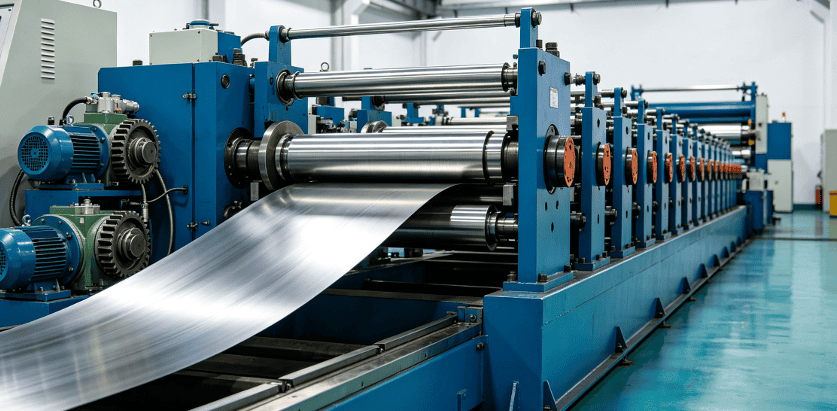
Why Preventive Maintenance for Roll Forming Machines Matter
Unexpected equipment failures rarely happen without warning. Most problems develop gradually due to wear, insufficient lubrication, loose fasteners, contamination, or improper machine adjustments.
Without routine inspections, small issues can quickly develop into:
- Production interruptions
- Dimensional inaccuracies
- Surface defects
- Premature bearing failures
- Hydraulic leakage
- Servo positioning errors
- Expensive emergency repairs
A preventive maintenance program identifies these issues before they affect production.
Companies operating a Cable Tray Roll Forming Machine often run multiple shifts with continuous punching operations, making scheduled maintenance essential for maintaining stable production.
Key Maintenance Areas
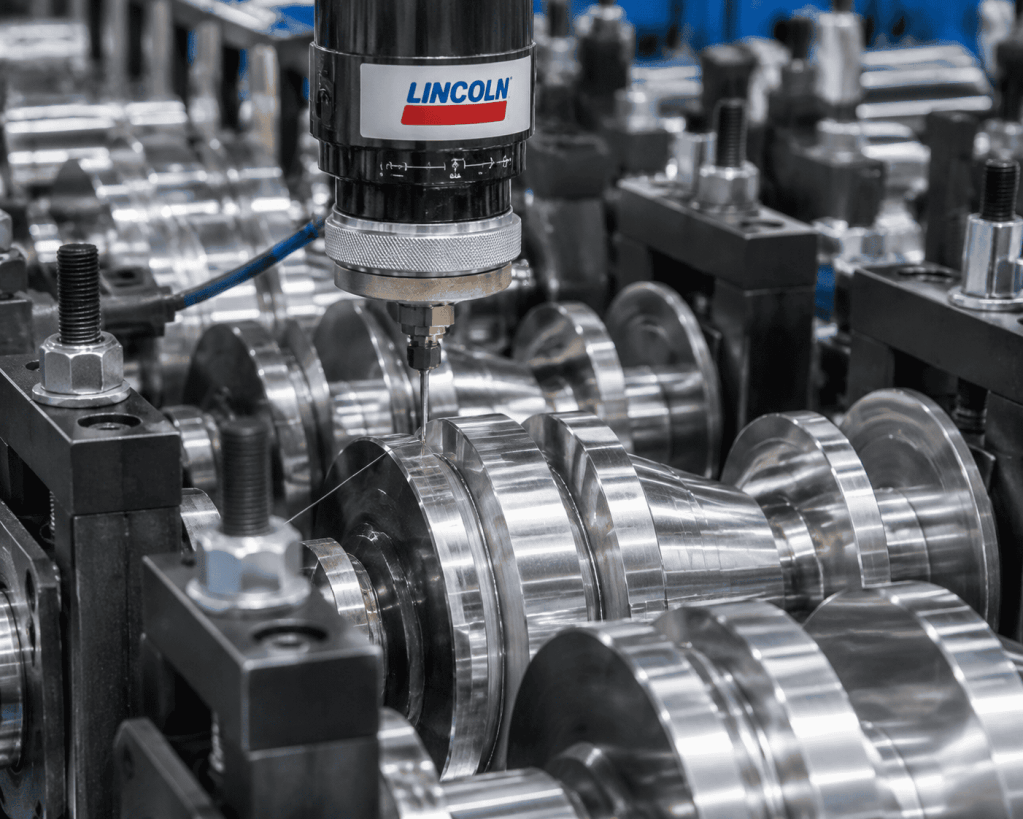
Roll Forming Rollers
Rollers should be inspected regularly for:
- Surface wear
- Chrome plating damage
- Material buildup
- Corrosion
- Alignment accuracy
Clean roller surfaces help maintain profile quality while preventing scratches on coated materials.
Bearings and Shafts
Bearings operate continuously under heavy loads.
Routine inspections should verify:
- Lubrication condition
- Operating temperature
- Noise levels
- Excessive vibration
- Bearing clearance
Replacing worn bearings before failure prevents costly shaft damage.
Gearboxes and Transmission Components

Gearboxes require periodic inspection of:
- Oil level
- Oil quality
- Seal condition
- Gear noise
- Coupling alignment
Stable power transmission contributes directly to consistent forming accuracy.
Hydraulic System
Hydraulic stations should be checked for:
- Oil contamination
- Hose leakage
- Pressure stability
- Cylinder operation
- Filter condition
Maintaining clean hydraulic oil significantly improves component life.
Electrical and Control System
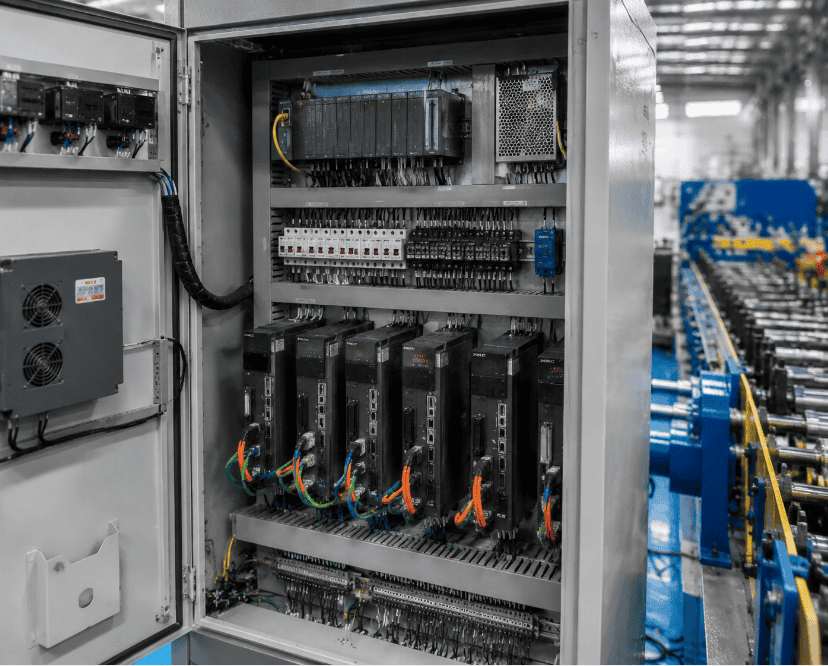
Modern production lines rely heavily on automation.
Routine inspection should include:
- PLC cabinet cleanliness
- Cable connections
- Encoder condition
- Servo motor cooling
- Emergency stop circuits
- Sensor positioning
Manufacturers using Solar Mounting Roll Forming Machine production lines frequently depend on synchronized servo feeding and punching, making electrical reliability particularly important.
Establishing a Preventive Maintenance Schedule
An effective maintenance program divides tasks into different intervals.
Daily Inspection
- Remove metal chips and dust
- Check lubrication points
- Verify hydraulic pressure
- Inspect emergency stop functions
- Observe unusual noises
Weekly Inspection
- Tighten fasteners
- Check chain or coupling tension
- Inspect roller alignment
- Clean electrical cabinets
- Verify sensor operation
Monthly Inspection
- Replace hydraulic filters if necessary
- Inspect gearbox oil
- Check bearing wear
- Measure shaft runout
- Verify cutting accuracy
Annual Maintenance
- Replace worn seals
- Inspect hydraulic pumps
- Calibrate servo systems
- Review PLC backups
- Replace heavily worn rollers if required
Following a structured schedule reduces unexpected production interruptions throughout the year.
Common Roll Forming Machine Maintenance Mistakes
Many manufacturers unintentionally shorten equipment life through poor maintenance practices.
Typical mistakes include:
- Waiting until failure occurs
- Using incorrect lubricants
- Ignoring small hydraulic leaks
- Over-tightening bearings
- Skipping machine cleaning
- Operating with damaged rollers
- Delaying spare parts replacement
Preventive maintenance is always less expensive than emergency repairs.
Preventive Maintenance and Production Quality
Machine condition directly affects finished profile quality.
Poor maintenance may cause:
- Hole position deviation
- Profile twisting
- Burr formation
- Uneven profile dimensions
- Surface scratches
- Inconsistent cut lengths
Manufacturers purchasing Custom Roll Forming Solutions should request maintenance documentation and operator training as part of the complete project to ensure long-term production stability.
Digital Maintenance Is Becoming Standard
Modern roll forming equipment increasingly incorporates intelligent monitoring technologies.
Emerging solutions include:
- Bearing temperature monitoring
- Vibration analysis
- Hydraulic pressure monitoring
- Lubrication reminders
- Servo health diagnostics
- Remote maintenance support
These technologies help maintenance teams identify potential failures before production is affected.
Conclusion
Preventive maintenance is far more than routine servicing—it is an investment in production reliability, equipment longevity, and product quality. A structured maintenance program reduces unexpected downtime, protects critical machine components, and helps manufacturers maintain consistent production performance year after year.
For companies seeking maximum return from their roll forming equipment, preventive maintenance should be considered an essential part of daily operations rather than an optional expense.
Daily inspections should be performed before production, while weekly, monthly, and annual maintenance should follow the manufacturer’s recommended schedule.
Roll forming rollers, bearings, cutting dies, hydraulic seals, and transmission components typically experience the highest wear during long-term production.
Yes. Preventive maintenance reduces emergency repairs, minimizes downtime, extends equipment life, and lowers spare parts consumption.
Absolutely. Proper roller alignment, lubrication, and machine calibration help maintain dimensional accuracy and reduce surface defects.
Yes. Basic maintenance training enables operators to identify abnormal machine conditions early and report potential issues before failures occur.
Related Knowledge
- Flying Cut Systems Increase Productivity in Roll Forming Lines
- Length Inaccuracy in Roll Forming Machines
- Roll Tooling Design for Profile Production
- Automatic Profile Packaging Systems
Frequently Asked Questions
How does preventive maintenance impact the total cost of ownership of a roll forming machine? ›
Regular preventive maintenance directly reduces the total cost of ownership by minimizing emergency repairs, unplanned downtime, and premature component replacement. While there is an ongoing investment in labor, lubricants, and spare parts, it is significantly lower than the cost of major breakdowns. A well-maintained machine also retains its production accuracy and efficiency longer, delaying the need for a full rebuild or replacement. This proactive approach stabilizes operating costs and protects your capital investment over the machine’s full service life.
How can I identify early signs of wear in roll forming rollers before they affect product quality? ›
Early roller wear can be detected through regular visual inspections for surface scratches, chrome flaking, or material buildup, as outlined in the article. You should also monitor finished profiles for subtle changes in dimensions, increased burr formation, or surface marks. Measuring the machine’s vibration and noise levels during operation can reveal developing roller or bearing issues. By comparing production output against known quality standards on a scheduled basis, you can identify and address roller degradation before it leads to scrap or rejected parts.
What are the most critical components to check during a weekly inspection for continuous production reliability? ›
According to the preventive maintenance schedule, weekly inspections should focus on tightening fasteners, verifying chain or coupling tension, and checking roller alignment. For modern machines with synchronized operations, it is critical to verify sensor operation and keep electrical cabinets clean to ensure reliable signals. These checks help prevent minor misalignments or loose components from escalating into major breakdowns. For manufacturers running multiple shifts on equipment like a cable tray roll forming machine, this weekly vigilance is essential to maintain stable production output.
Why is proper lubrication so critical for extending the lifespan of roll forming machine components? ›
Proper lubrication prevents direct metal-to-metal contact between components like bearings, shafts, and gearbox internals, reducing friction and heat generation. Over time, inadequate or incorrect lubrication leads to accelerated wear, increased vibration, and eventual component failure. The page notes that most problems develop gradually due to insufficient lubrication or contamination. A scheduled lubrication program, with the correct type and amount of lubricant, ensures that all moving parts operate within their design tolerances, thereby maximizing the reliability and service life of the entire transmission system.
How can a digital maintenance system improve the effectiveness of my preventive maintenance program? ›
Digital systems move you from reactive or time-based maintenance to condition-based maintenance. Instead of waiting for a scheduled interval, sensors monitor bearing temperature, vibration, and hydraulic pressure in real-time. This technology alerts your maintenance team to abnormalities as they develop, allowing you to intervene before a failure stops production. Features like automatic lubrication reminders and remote diagnostics help ensure tasks are not forgotten and simplify troubleshooting. Integrating these tools provides a data-driven approach to maintain peak machine reliability and reduce downtime.
What should be included in a daily pre-operation check to prevent machine faults? ›
A daily inspection is the first line of defense against unexpected downtime. The schedule suggests starting with removing metal chips and dust, which prevents contamination. Next, verify all lubrication points are serviced and confirm the hydraulic pressure is within normal range. Test the emergency stop functions to ensure safety protocols are operational and listen for any unusual noises that might indicate a developing issue. Performing these five simple checks before starting production helps catch small problems early, ensuring a smooth and uninterrupted shift.
