

How to Prevent Surface Scratches on Roll Formed Metal Panels
Surface scratches are one of the most common quality complaints in roll forming production, especially for pre-painted, galvanized, or coated metal panels. Even when the profile dimensions are accurate, visible scratches on the surface can make the product unacceptable for end users, particularly in roofing, wall cladding, and architectural applications.
For manufacturers and contractors using roll forming machines, preventing surface damage is not just a cosmetic concern. Scratches can reduce corrosion resistance, shorten product lifespan, and damage a company’s reputation. Understanding where these scratches come from—and how to eliminate them—is essential for stable and professional roll forming production.
Table of Contents
What Are Surface Scratches in Roll Forming?
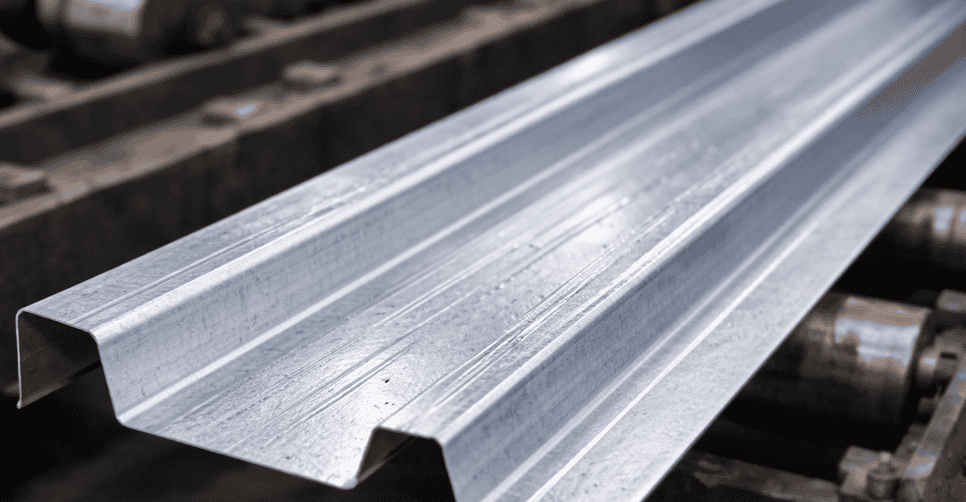
Surface scratches refer to visible lines, marks, or abrasions that appear on the coated or metallic surface of a roll formed panel. These defects may be light and superficial or deep enough to expose the base metal.
In roll forming production, scratches typically appear:
- Along the length of the panel
- Near panel edges or bends
- In repetitive patterns matching roller positions
They are especially noticeable on glossy pre-painted steel and aluminum panels used in roofing and façade systems.
Why Surface Scratches on Roll Formed Metal Panels Are a Serious Issue

Many manufacturers underestimate the impact of surface scratches, assuming they are unavoidable. In reality, scratched panels often lead to:
- Customer rejection or claims
- Additional rework or repainting
- Reduced corrosion resistance
- Higher warranty risk
In architectural and on-site roll forming projects, visual quality is often as important as structural performance. Even minor scratches can affect installation acceptance.
Root Cause 1: Contaminants on Rollers and Guide Components

One of the most frequent causes of surface scratches is contamination on the forming rollers, guide rails, or entry tables. Small metal particles, dust, or debris can easily become trapped between the roller surface and the panel.
Common contaminants include:
- Metal shavings from cutting operations
- Dust from the construction site
- Rust particles from unprotected machine components
Once embedded on a roller surface, these particles continuously scratch every panel that passes through the machine.
Root Cause 2: Damaged or Worn Roll Tooling
Rollers that are worn, chipped, or improperly polished can cause repeated surface damage. Even small imperfections on the roller surface can act like cutting tools against coated materials.
This issue is more likely to occur when:
- Rollers are made from low-quality steel
- Heat treatment is insufficient
- Rollers are not properly maintained
In high-quality roll forming machines, like the highway guardrail roll forming machines, rollers are hardened, polished, and designed specifically for coated materials to minimize surface contact damage.
Root Cause 3: Improper Handling of Pre-Painted or Coated Coils

Surface scratches often originate before the coil even enters the roll forming machine. Improper handling during loading, storage, transportation, or feeding can introduce initial damage that may appear minor on the flat coil but becomes highly visible after roll forming.
Typical handling mistakes include:
- Dragging coils across rough or uneven surfaces, such as concrete floors or worn steel rails, which can easily damage the coating
- Using damaged or poorly maintained coil cars, forklifts, or C-hooks, where sharp edges or debris scratch the coil surface
- Allowing metal-to-metal contact during feeding, especially between adjacent coils, guide rails, or entry tables
- Improper stacking or storage, where coils rub against each other due to inadequate spacers or restraints
- Contaminants such as dust, metal chips, or sand trapped between the coil and handling equipment, acting like abrasives during movement
Once the protective coating (galvanized layer, paint, or organic coating) is compromised, the forming pressure and repeated contact with rollers can make these scratches deeper and more pronounced.
Root Cause 4: Incorrect Roller Pressure and Alignment
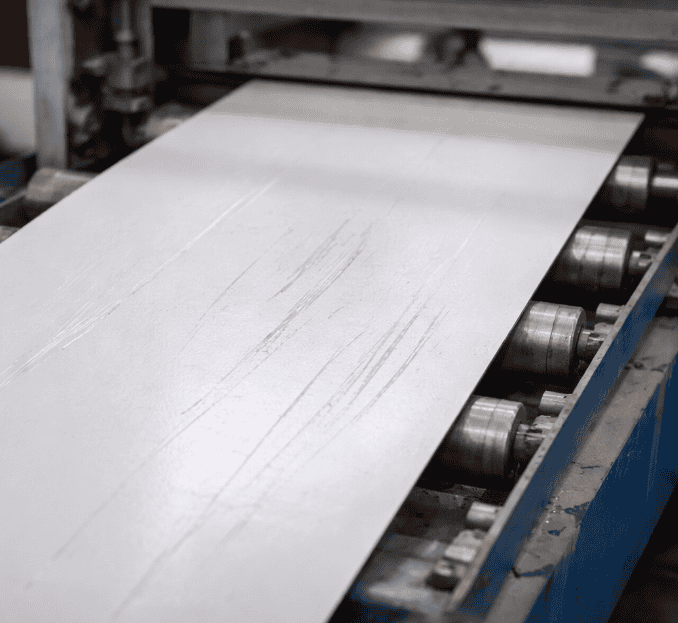
Excessive roller pressure is another common cause of surface damage. When rollers are adjusted too tightly, they increase friction and create unnecessary surface stress.
Misalignment between top and bottom rollers can also cause uneven contact, resulting in scratches concentrated on one side of the panel.
This problem is particularly common during:
- Initial machine setup
- Profile changeover
- On-site roll forming with limited adjustment time
In severe cases, the damaged areas may lead to premature corrosion, color inconsistency, or visible surface defects on the finished panels, especially for roofing and wall cladding products where appearance is critical.
Root Cause 5: Improper Cleaning Methods During Production
In some cases, scratches are caused not by the machine itself, but by incorrect cleaning practices. Using abrasive materials such as steel wool to remove metal shavings or dirt can severely damage coated surfaces.
Metal shavings generated during cutting operations should always be removed using soft cloths or non-abrasive cleaning tools.
Practical Solutions to Prevent Surface Scratches
Keep Rollers and Guides Clean at All Times
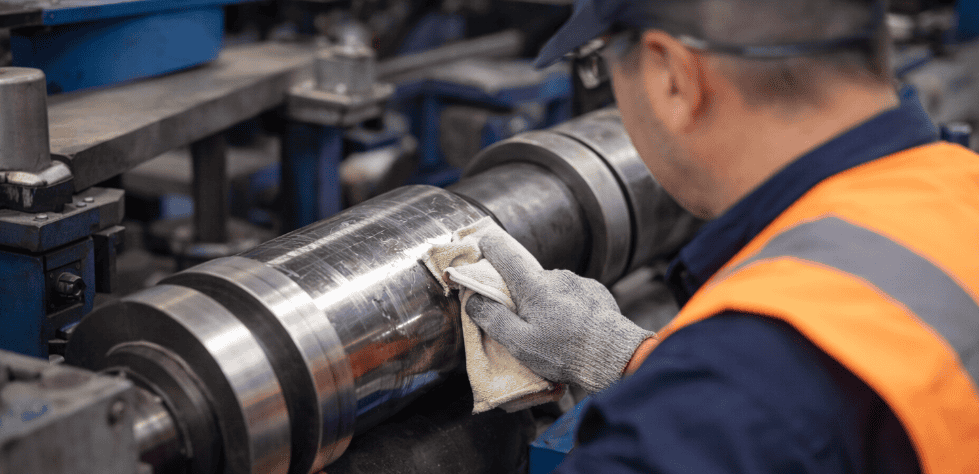
Regular cleaning is the simplest and most effective preventive measure. Rollers, guides, and entry tables should be inspected and cleaned frequently, especially during on-site production.
Loose metal shavings should be removed immediately to prevent them from being pressed into the panel surface.
Use High-Quality Roll Tooling Designed for Coated Materials
Rollers should be manufactured from suitable tool steel, properly heat-treated, and polished. For sensitive surfaces, chrome-plated or specially coated rollers can further reduce friction and wear.
Investing in high-quality roll tooling significantly reduces long-term surface damage.
Optimize Roller Adjustment and Forming Pressure
Roller gaps should be adjusted carefully to ensure proper forming without excessive pressure. Normally customers will use different thickness sheet for their roll forming machines, like c/z purlin roll forming machine, Metal roofing roll forming machine, wall cladding roll forming machine and many other customized roll formers etc. Operators should avoid overtightening rollers in an attempt to “force” the profile shape.
Correct alignment ensures even contact and minimizes localized scratching.
Improve Coil Handling and Feeding Practices
Protective measures such as:
- Soft coil loading supports
- Proper coil car alignment
- Clean entry tables
help prevent surface damage before forming begins.
Use Proper Exit Support and Handling
After forming, panels should be supported and handled carefully to avoid surface contact with rough or contaminated surfaces. Exit tables should be clean and free of debris.
Long-Term Benefits of Scratch-Free Roll Forming Production
Preventing surface scratches improves more than appearance. It:
- Extends coating lifespan
- Improves corrosion resistance
- Reduces customer complaints
- Enhances brand credibility
For manufacturers producing high-end roofing and wall panels, surface quality is a direct reflection of equipment quality and production discipline.
FAQ: Surface Scratches in Roll Forming Machines
Q1: Are surface scratches unavoidable in roll forming?
No. With proper tooling, setup, and handling, scratches can be significantly reduced or eliminated.
Q2: Do coated materials scratch more easily?
Yes. Pre-painted and aluminum materials are more sensitive and require careful handling and polished tooling.
Q3: How often should rollers be cleaned?
Ideally, rollers should be inspected and cleaned daily, especially during continuous production.
Q4: Can cutting operations cause surface scratches?
Yes. Metal shavings generated during cutting can scratch panels if not removed promptly.
Q5: Should abrasive materials be used for cleaning panels?
No. Abrasive tools such as steel wool should never be used on coated surfaces.
