Application: Structural Wall Systems for Industrial and Modular Buildings
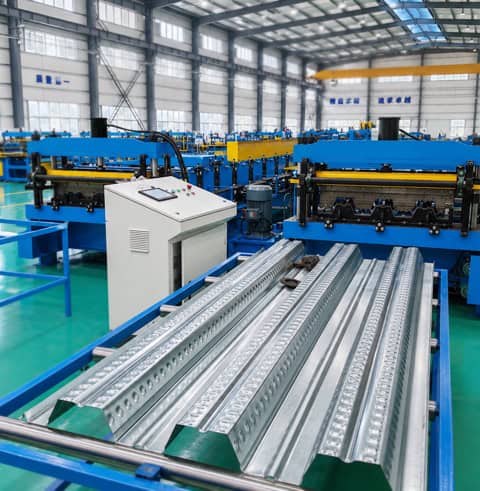
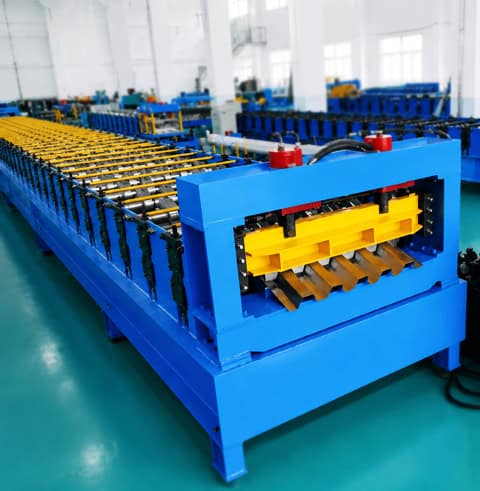
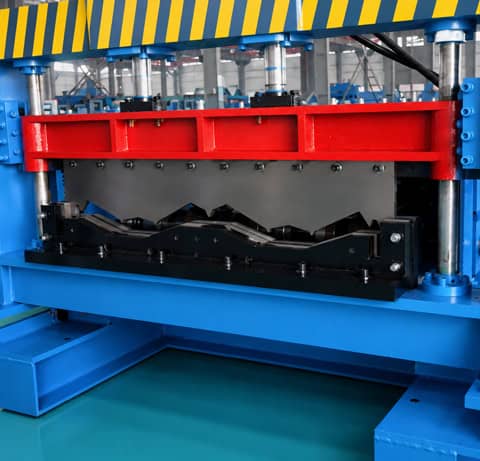
Metal deck roll forming machines are used in steel structure buildings such as warehouses, factories, and commercial projects. They produce floor, roof, and wall deck profiles for structural flooring and framing systems.

Explore the common questions and answers about Metal Deck Roll Forming Machines
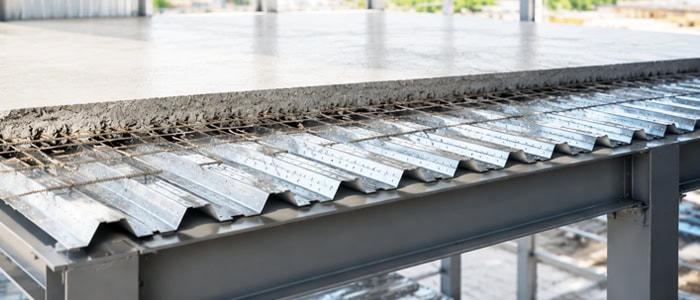
A: A metal deck roll forming machine is used to produce steel decking profiles that serve as permanent formwork or composite decking for concrete floors, roof deck sheet, and wall deck panels in steel frame buildings.
A: The metal deck machine can produce floor deck, roof deck, and wall deck profiles, depending on the roll forming design and application requirements.
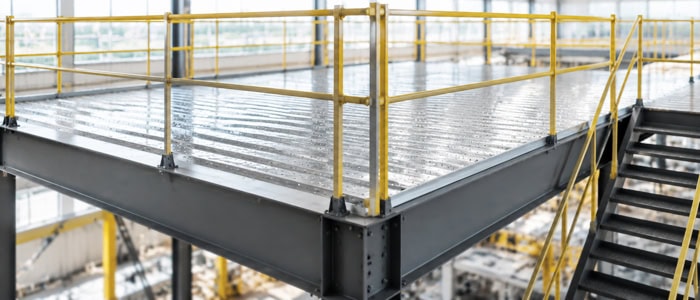
A: Floor deck is used as composite floor formwork in multi-storey buildings, working with concrete to increase load capacity and reduce construction time.
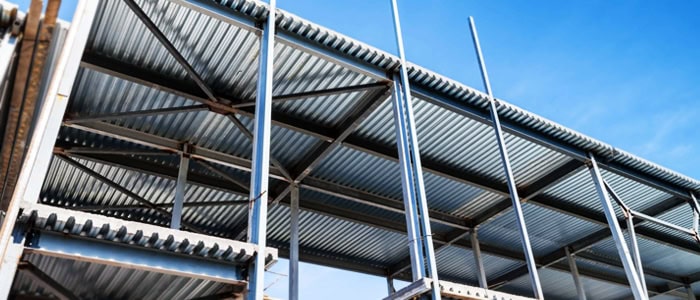
A: Roof deck is used in steel roofing systems to provide structural support, improve load distribution, and enhance wind resistance for industrial and commercial buildings.
A: Wall deck is used in heavy-gague wall cladding systems and steel structures to provide enclosure strength, stability, and support for insulation or exterior panels.
A: Yes, some steel decking roll forming machines are designed with adjustable roll tooling or cassette quick-change systems to produce floor, roof, and wall deck profiles on the same production line.
A: Typical materials include galvanized steel (GI), pre-painted steel (PPGI), and high-strength steel suitable for structural decking applications.
A: Steel decking roll forming machines typically process steel thickness from 0.8 mm to 2.0 mm, depending on profile design and structural requirements.

That’s right! Don’t want to miss out new machines launched, local events, special offers? Sign up to our emails to be notified of the first update.
We will use the information you provide on this form to be in touch with you and to provide updates and marketing. Your privacy will be well protected!