
Metal Fabrication Equipment Adapts to Green Manufacturing Standards
As global environmental regulations tighten and industries face increasing pressure to reduce carbon emissions, the metal fabrication sector is undergoing a fundamental transformation. Metal fabrication equipment manufacturers and production facilities alike are rethinking every stage of the fabrication process — from coil processing to forming and finishing — to achieve cleaner, more energy-efficient operations.
In the world of roll forming machines and metal fabrication equipment, sustainability no longer means compromising productivity. Instead, advanced automation, smarter energy use, and material optimization are helping manufacturers meet green manufacturing standards while maintaining competitive output levels.
Table of Contents
Environmental Efficiency Becomes a Core Design Principle

Energy consumption in metal fabrication has long been dominated by heavy hydraulic systems, continuous coil feeding, and high-speed cutting processes. In response, new-generation equipment builders are designing roll forming lines that consume less power and generate less waste.
Examples of Eco-Friendly Design Innovations
- Variable-speed drives (VSD): Motor power adjusts automatically to match forming load, minimizing energy waste during idle or low-demand phases.
- Servo-hydraulic systems: Replace traditional hydraulic units with servo-controlled pumps that operate only when pressure is required.
- Energy recovery systems: Capture and reuse kinetic energy during deceleration phases.
- Closed-loop lubrication: Reduces oil consumption and prevents fluid contamination.
The PU Sandwich Panel Production Line from MTC Industrial (Shanghai) is a practical example of such innovation. Its modern hydraulic unit and optimized cutting mechanism help reduce oil temperature rise and energy consumption, ensuring stable operation with lower power demand — a crucial improvement for continuous production plants.
From Coil to Product: Minimizing Material Waste
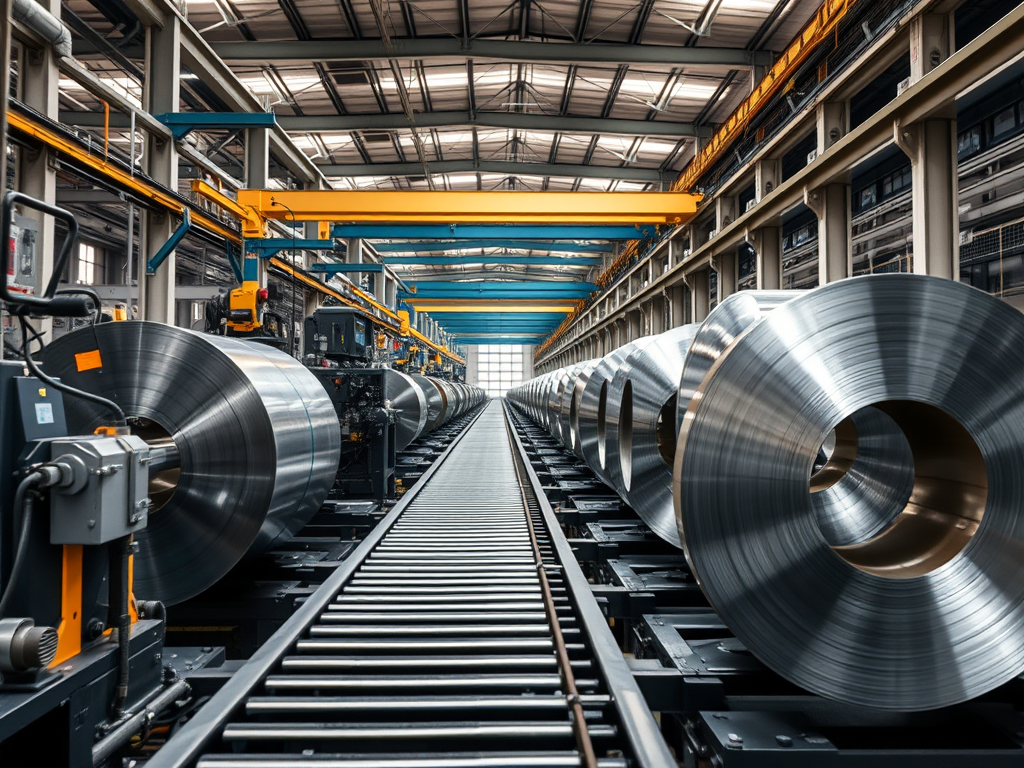
Sustainability in roll forming starts long before cutting begins. Coil processing and line layout play a major role in material utilization. By optimizing feed length and coil width, manufacturers can reduce scrap by up to 5–8%, translating directly into cost and energy savings.
Advanced coil processing lines now incorporate real-time monitoring of coil consumption and thickness deviation. Combined with high-precision servo feeders, these systems ensure every millimeter of raw material is efficiently converted into usable product.
In addition, computer-aided nesting software helps determine the most efficient cutting sequences for custom profiles. When integrated into the sheet metal production line, this software minimizes leftover edges and short cuts, significantly improving sustainability performance.
Cleaner Production Through Digital Monitoring

Digitalization is a powerful ally in green manufacturing. Sensors and smart controllers allow operators to monitor temperature, pressure, and speed data throughout the roll forming process.
When connected to factory networks, this data helps identify inefficiencies in energy use or raw material feeding. Machine learning tools can even predict upcoming maintenance needs, preventing unplanned shutdowns that consume extra energy during restarts.
At MTC Machinery, digital control platforms are being developed to enable cloud-based energy tracking. This function allows users to view power consumption trends for each motor and drive component, making it easier to implement continuous improvement programs for greener production.
Recycling and Sustainable Materials in Metal Fabrication
The environmental impact of metal fabrication extends beyond machinery. Material choice is becoming equally important. Manufacturers are now using coils made from recycled steel or aluminum, which drastically reduces carbon emissions compared to virgin metal.
Modern roll forming equipment is designed to handle these recycled materials — often softer or more variable in thickness — without compromising dimensional accuracy. Servo-driven roll stands adjust pressure automatically to accommodate such variations.
The construction industry, one of the largest consumers of roll formed products, increasingly demands recyclable and corrosion-resistant materials for roof panels, facades, and purlins. This has driven demand for sustainable metal forming lines that can process galvanized, pre-painted, or aluminum-zinc coated coils efficiently.
Future Outlook: Sustainability as a Competitive Advantage
The green transition is reshaping how companies evaluate their equipment suppliers. Buyers are increasingly prioritizing machine builders who demonstrate commitment to sustainable innovation.
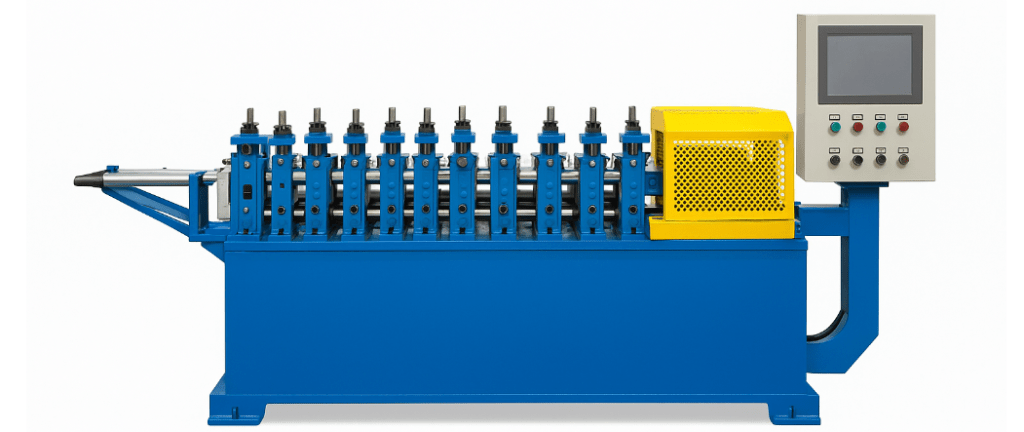
MTC Industrial continues to expand its portfolio of environmentally conscious solutions, including energy-efficient roll forming machines and automatic decoiler systems that optimize coil usage.
In the near future, sustainability metrics — such as energy consumed per ton of product — will likely become standard performance indicators in the metal fabrication industry. Companies that invest early in efficient, data-driven production lines will be better positioned to meet both regulatory and market demands.
Key Takeaways
- Energy-efficient motors and servo-hydraulic systems reduce power consumption.
- Optimized coil-to-product flow minimizes material waste.
- Smart sensors enable continuous monitoring and predictive maintenance.
- Recycled materials are gaining acceptance in roll forming applications.
- Sustainable design now drives purchasing decisions in metal fabrication.
About MTC Industrial:
MTC Industrial (Shanghai) designs and manufactures a complete range of metal fabrication equipment, including roll forming machines, coil processing systems, and PU sandwich panel production lines. With a focus on automation, energy efficiency, and environmental compliance, MTC supports manufacturers worldwide in achieving greener and more sustainable production.
Frequently Asked Questions
How do eco-friendly design innovations in roll forming lines help reduce energy consumption during production? ›
Newer roll forming equipment incorporates features like variable-speed drives (VSDs), servo-hydraulic systems, and closed-loop lubrication to reduce energy waste. VSDs adjust motor power to the actual load, while servo-controlled pumps only operate when pressure is needed, unlike traditional systems that run continuously. These design choices lower electricity demand and help manufacturers meet green manufacturing targets without sacrificing output.
What equipment or software features help minimize material waste when converting coil into finished profiles? ›
Reducing scrap starts with the coil processing line and the layout of the production line itself. Systems with real-time coil consumption and thickness monitoring, paired with high-precision servo feeders, ensure accurate feeding. Additionally, computer-aided nesting software calculates the most efficient cutting sequences for custom profiles, which minimizes leftover edges and short offcuts, improving overall material yield.
Can roll forming equipment process coils made from recycled steel or aluminum without losing dimensional accuracy? ›
Yes. Modern roll forming lines are engineered to handle recycled materials, which can sometimes be softer or have more variability in thickness. Servo-driven roll stands automatically adjust pressure to accommodate these variations. This capability ensures that manufacturers can use more sustainable, lower-carbon input materials while still maintaining the tight tolerances required for quality finished products.
How does digital monitoring contribute to greener metal fabrication and lower energy usage? ›
Digital sensors and smart controllers track operating parameters like temperature, pressure, and speed throughout the forming process. When this data is connected to factory networks, it uncovers inefficiencies in energy use or material feeding. Furthermore, machine learning algorithms can predict maintenance needs, preventing unplanned shutdowns that often require extra power just to restart equipment, thereby supporting consistent, efficient operation.
Which types of coil materials are recommended for sustainable building products like roofing and purlins? ›
The page indicates that the construction industry increasingly demands recyclable and corrosion-resistant materials for products like roof panels and facades. Efficient metal forming lines are typically set up to process galvanized, pre-painted, or aluminum-zinc coated steel coils. Choosing the right line configuration ensures that these durable, sustainable materials can be formed accurately, extending the lifespan of the building components.
What makes the MTC PU Sandwich Panel Production Line a good example of energy-saving equipment? ›
The MTC PU Sandwich Panel Production Line is highlighted as a practical example of eco-friendly innovation. It features a modern hydraulic unit and an optimized cutting mechanism. These upgrades are engineered to lower the oil temperature rise and reduce energy consumption, resulting in more stable operation with lower power demand. This is especially beneficial for facilities running continuous production shifts where energy savings accumulate significantly over time.
Why should equipment buyers consider sustainability metrics when choosing new roll forming machines? ›
Sustainability is becoming a standard competitive metric in the industry. Buyers are increasingly prioritizing manufacturers who show commitment to environmental innovation. In the near future, indicators like ‘energy consumed per ton of product’ will likely become standard performance benchmarks. Investing now in efficient, data-driven production lines positions a company to meet regulatory requirements and market expectations more easily, securing a long-term advantage over competitors.
