
Steel Purlin Roll Forming Machine Applications in Buildings and Infrastructure
Steel purlin is necessary elements for steel architecture, steel structural engineering, or steel building. Furthermore, steel purlin is not applied for buildings only, but also many other infrastructure projects. This makes steel purlin roll forming machine a very important roll forming equipment.
The common steel purlins in the market are like C purlins, Z purlins, U purlins, Sigma purlins and so on. Possibly some people call them C channels, z channels, u channels, sigma channels and unistrut channels etc. These steel purlins or steel channels have been manufactured by roll forming machines out of galvanized steel, cold rolled steel or mild steel.
Brief Introduction of the STEEL PURLIN:
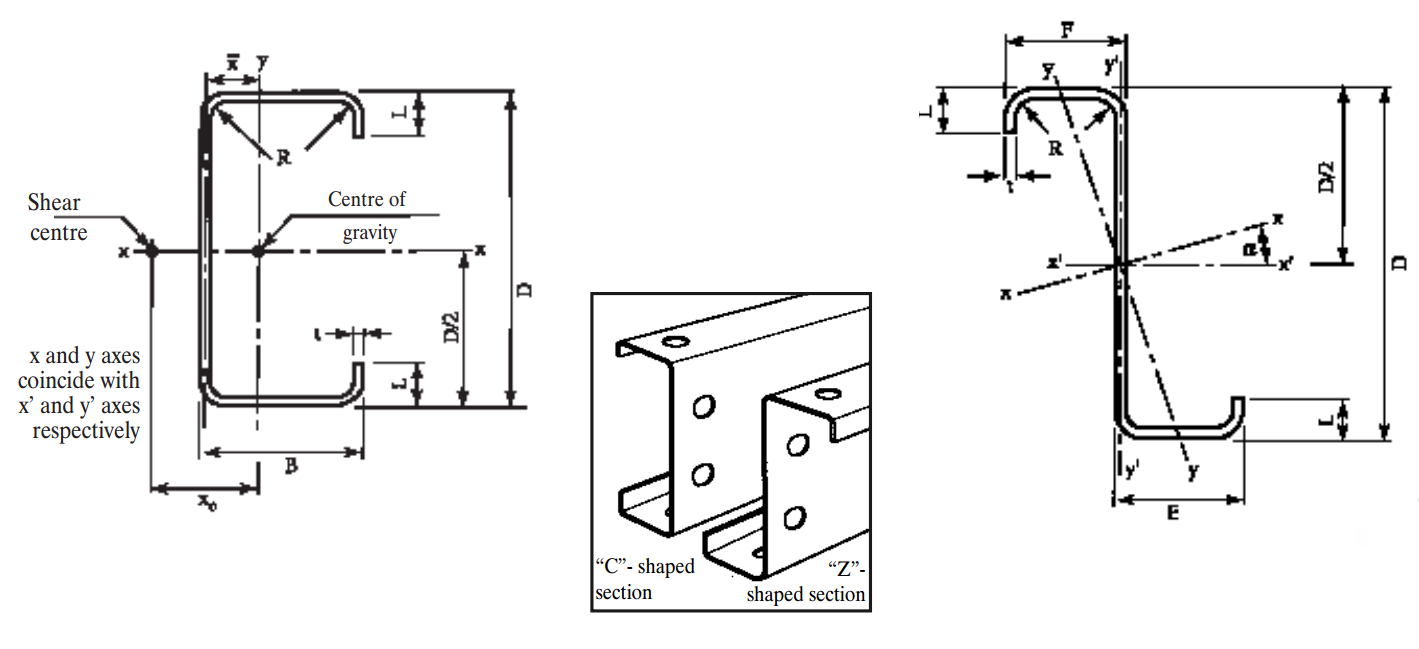
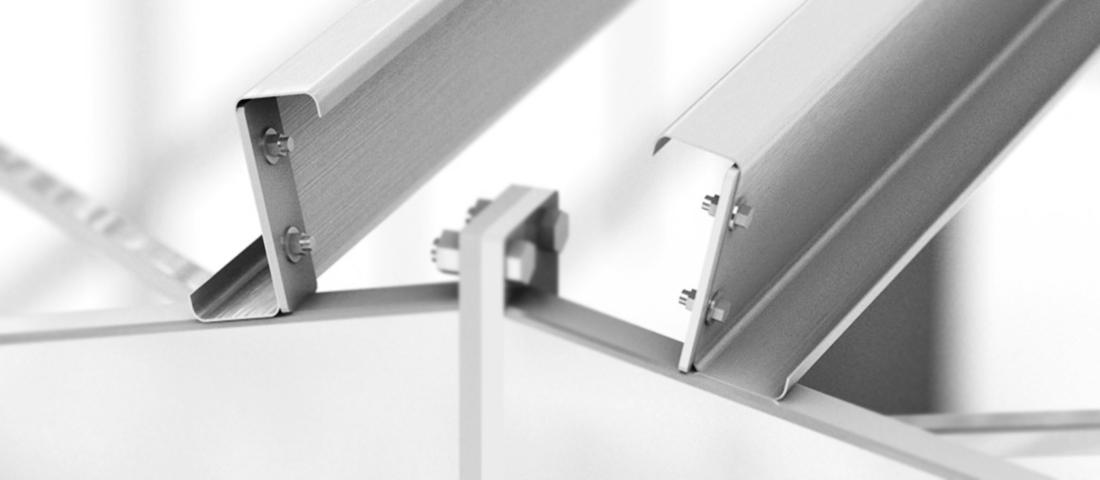
A standard purlin, is a horizontal beam along the length of roof, resting on principles and supporting the common rafters and sheets. In steel construction projects, the term Purlin typically refers to roof frame members that span parallel to the building ridge, and support the roof sheet or steel deck. Metal building system commonly use C Purlin, and sometimes Z Purlin to allow flexural continuity between span.
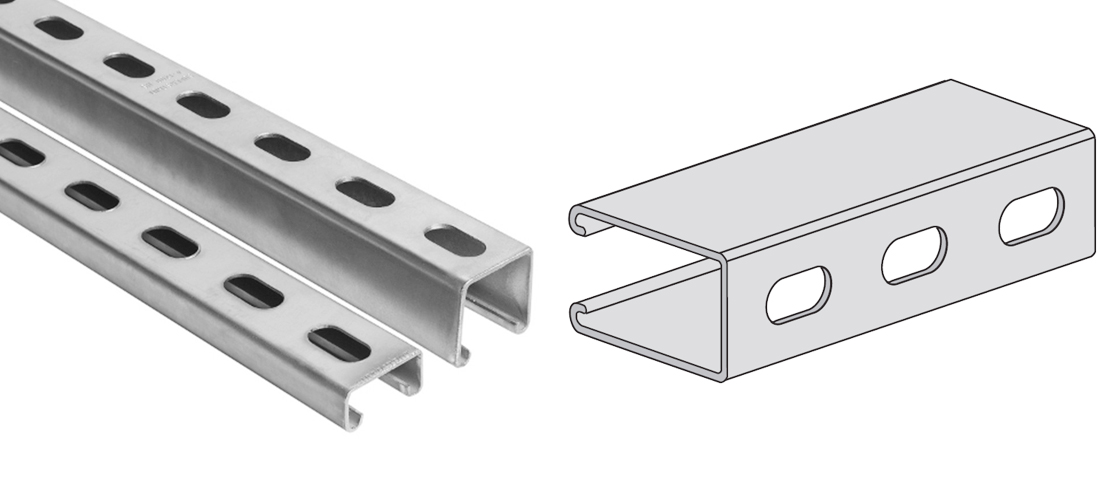
However, steel purlins may work better than other elements in some infrastructure projects than just buildings. For example in photovoltaic projects, the c shaped channels, or known as unistrut channels, are the first choice for contractors. In highway projects, W shaped guard rails are the most important elements, and some people call them W purlins.
Standard sizes of the C and Z purlin or channel vary from 80mm to 300mm, and thickness from 1.5-3mm. Some other sizes or thickness are also available for special usage. The most common roll forming machine is the quick-change C/Z purlin roll forming machine that can make both C/Z steel purlins on one machine, but not at the same time. The C/Z STEEL PURLINS usually have punching holes on web or flanges. For some other owners, they prefer to run separate C Purlin roll forming machine and Z purlin roll forming machine to produce C and Z purlins at the same time.
Types of different Steel Purlin Roll Forming Machine:
At the moment, MTC has developed series of Steel Purlin Forming Machine for different applications.
- Traditional design: Manual adjust the spacers and replace the cutoff blade. The changeover time for sizes is around 3 hours.

- Pre-Cutoff design: Manual adjust the spacers with no need to change the cutoff blade. The changeover time is around 2.5 hours, a little less than the traditional one. but the ends of the Purlins will be a bit deformed.

Quick-change design: The machine will change the web sizes and flange sizes automatically according to the sizes input on the control. Manual adjustment from C to Z shape, and manual change on universal cutoff die. The Changeover Time is only 2 minutes.

So far, MTC has designed hundreds of steel purlin roll forming machines. There are traditional C/Z purlin roll forming machines, and customized steel purlins roll former as well. You may contact MTC if you need a steel purlin roll forming machine for your projects.
Frequently Asked Questions
What types of steel purlin profiles can be produced on a steel purlin roll forming machine? ›
The machine produces C, Z, U, and Sigma purlins, as well as unistrut or strut channels. The profile you need depends on your structural application—C and Z are most common for roof and wall framing, while U and Sigma are used for lighter support roles. Some projects refer to the same profiles as channels. Your choice is also linked to the roll former’s die sets and whether you need a single fixed profile or quick-change capability.
Which materials can be used to run a steel purlin roll forming line? ›
Purlins are typically roll formed from galvanized steel, cold-rolled steel, or mild steel. The material grade and coating affect corrosion resistance and strength, which matters for outdoor infrastructure such as solar mounting systems or highway guardrails. Your material choice depends on environmental exposure and load requirements. The machine must be set up for the yield strength and strip width of the steel you plan to process.
What determines the production speed and changeover time between different purlin sizes? ›
Production speed depends on the machine’s forming stations, the length of the profiles, and the punching and cutting sequence. Changeover time is a major factor—traditional designs require manual spacer adjustment and blade changes taking about 3 hours, while quick-change systems adjust web and flange sizes automatically and switch in about 2 minutes. Your expected production volume and need for size flexibility should guide which design to choose.
Can the purlin roll forming machine punch holes, and how does punching affect the line? ›
Yes, standard purlin lines can be equipped with a punching station to create holes on the web or flanges of the C or Z sections. The punching type, hole distance, and pattern are supplied with your project drawings. Additional punching stations increase the machine length and may slow down the line slightly, but they are necessary for purlins that need to be fixed directly to cladding or structural steel without on-site drilling.
Are there different cutoff methods, and do they affect the finished purlin ends? ›
Yes, there are two common cutoff approaches. In a pre-cutoff design, the strip is cut before forming, which is simpler but leaves the purlin ends slightly deformed. The traditional post-cutoff design cuts the profile after forming, which results in cleaner ends because the blade shears the shaped section. If your project requires tight tolerances for end connections, post-cutting or the universal die system used in quick-change machines is preferable.
How do I choose between a single C or Z purlin machine versus a combination C/Z machine? ›
If most of your projects use only C or only Z purlins, a dedicated machine may provide a lower upfront cost and simpler operation. However, if you need both profiles for different projects or within a single structure, a quick-change C/Z machine lets you run both on one line, saving floor space and capital investment. Each machine type can be set to produce the same range of standard purlin sizes up to 300 mm in web depth and around 3 mm thickness, with capability for special sizes on request.
What project information do I need to provide when requesting a quotation for a purlin roll forming machine? ›
To give an accurate proposal, suppliers generally need your required profile type (C, Z, or other), the exact dimensions—web, flange, and lip sizes—the strip width and thickness, the length of purlins, and your punching or slotting requirements. You should also specify the estimated monthly production volume in tons or meters, your available power supply, and whether you require coil loading, stacking, or any additional automation. Clear drawings help the manufacturer recommend the most cost-efficient configuration.
