

Roll Forming Tools: The Rollers at the Heart of the Machine
Roll forming machine is a common equipment that produces metal profiles in various shapes. The shape of the profile depends on the roller set or rolling tool, which is the heart of roll forming machine.

Roll forming machine is an essential part for human development. It helps people make a great progress in steel structure field which is the symbol of human mordernization. Roll forming is a continuous and automatic production compared to press brake and shear equipment. Furthermore, it integrates many other metal processes so as to improve human’s productivity.
We will not talk about other processes in this writing, but only roll forming, the rolling tools or forming roller sets specifically.
What is roller set or rolling tools?
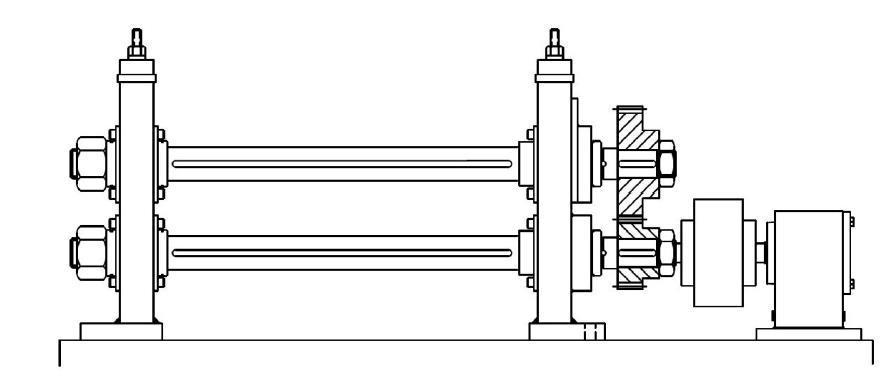
As it indicates, roller sets or rolling tools are the designed tools that forms or bends metal sheet into desired shapes. For example, IBR sheet roll forming machine will have its specific roller sets, different from a corrugated sheet roll forming machine. A whole roller set typically includes rolls/rollers, shafts, stands and transmission unit.
- Rollers
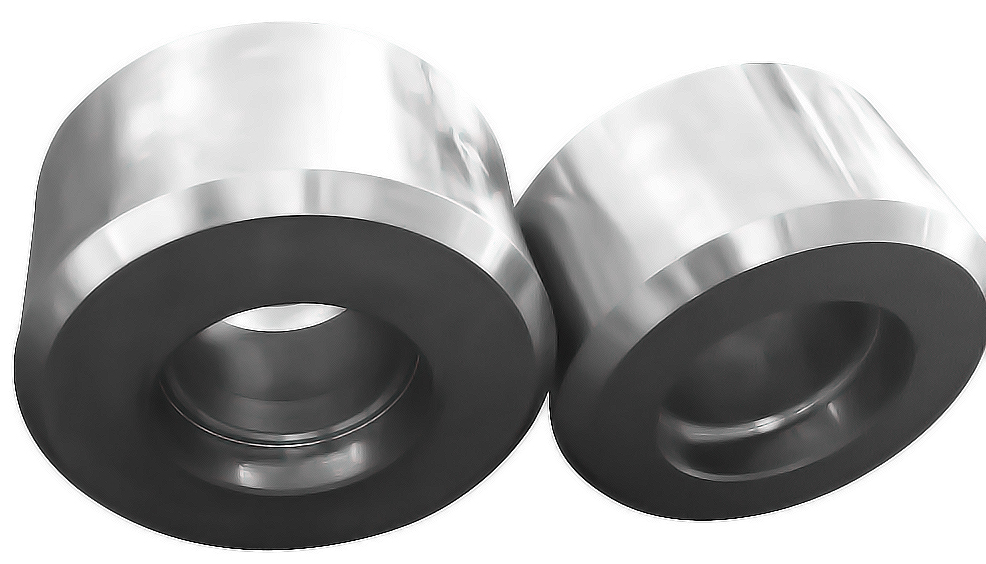
The rolls or rollers are made of round steel, and proessed with different treatment according to different technical requirements. Roller is the heart of a roll forming machine. In practical terms, rollers manufacturing must be extremely precise. The deviations of roundness or eccentricities of a very low order will greatly impact the quality or accuracy of the finished products. Besides, the surface treatment must be extremely high due to the contact and lubrication issues. Usually, rollers are split into several sections for simple manufacturing. As a matter of fact, there are instances that prove it’s also necessary for easier assembling.
- Shafts
Shaft is a very important to roll forming process. Rollers are installed on the shafts which have bearings mounted on both sides so that continuous roll forming can work out. As we know, all rollers must be aligned to each other as designed. Therfore each shaft on each stand must be exaclty the same in quality. Some roll forming machine manufacturers cheat by using hollow shafts in order to low down their cost, and it’s a big risk for customer to use such machine. Solid shaft is the first condition to guarantee the machine’s quality and lifespan.
- Stands
Each roll forming stand consists of four bearing housings, two on each side, which are supported by connecting rods, in turn attached to cross bars. Each bearing housing usually has two conical bearings which support the shaft. The height of each shaft is adjusted by screws on the top and bottom crossbars. In order to change the rollers on a roll forming machine, the operator side stand must be removed. This means that positioning on the machine table must be precise and repalceable . If the stands are not correctly mounted, there is the possibility that the shafts are not perpendicular to the direction of travel, which can lead to substantial problems during operation.
MTC is a roll forming machine manufacturer in Shanghai China that supplys tury-key solutions for Roll forming equipment and insulated sandwich panel production lines! Please contact us if you have any questions or interests.
Frequently Asked Questions
What materials can be formed with roll forming tools? ›
Roll forming tools are engineered to work with metal coils, most commonly steel (including galvanized, Galvalume, and pre-painted steel) as well as aluminum. The specific material grade and surface finish you choose must be compatible with the roller profile and lubrication requirements. Since the page does not list specific material restrictions, your supplier should confirm that the roller set is designed for your exact material type and its mechanical properties before production begins.
How do material width and thickness affect roller set design? ›
The width and thickness of the incoming metal strip directly determine the size and number of roller passes required. Wider strips distribute forces differently, and thicker materials demand more robust shafts, stands, and roller materials to withstand higher forming loads. While the page does not provide numerical ranges, you should communicate your exact strip dimensions to the manufacturer so they can design the roller set with the appropriate number of stations and structural strength for your application.
What profile shapes can be achieved with custom roller sets? ›
Roller sets are fully customized to produce a virtually unlimited range of profiles—from simple corrugated sheets to complex architectural panels, purlins, or IBR sheets. The rollers are split into sections and machined to a precise shape that progressively bends the strip as it passes through each stand. To ensure the tooling meets your needs, you must provide a detailed drawing or sample of the final profile, including tolerances, so the manufacturer can engineer the forming sequence correctly.
What machine configuration should I consider when ordering a roller set? ›
Your roller set must match the machine’s number of stands, shaft diameters, and spacing, as well as its drive system. The page explains that each stand has four bearing housings and adjustable shaft heights, so the tooling must fit those existing parameters. If you are purchasing a complete line, the manufacturer coordinates the roller set with the machine frame and transmission. For retrofits, verify the stand dimensions, shaft mounting style, and alignment features with the original equipment builder.
Can punching or cutting stations be integrated with the roller tooling? ›
Yes, roll forming systems often integrate punching dies and cutting tools within the same production line, but these are separate from the primary forming rollers. The page focuses on the roller set itself—the split sections that shape the metal—while notches, holes, or length cuts are typically executed by hydraulic presses or flying shears positioned before, between, or after the forming stands. You must specify these secondary operations early so the entire machine can be timed and synchronized correctly.
What affects production speed when using roll forming tools? ›
Production speed depends on many factors: the material’s thickness and ductility, the complexity of the profile (how many bends per section), the number of forming stands, and the precision of roller alignment as described on the page. Lubrication and surface finish also play a role in minimizing friction. Because no speed figures are listed here, ask the manufacturer to run trials with your material and profile to establish a reliable maximum speed that still maintains dimensional accuracy.
How do roller surface treatment and shaft type influence tool quality? ›
The page stresses that rollers require extremely high surface treatment for contact and lubrication, while also noting that shafts must be solid—not hollow—to ensure quality and lifespan. Higher-quality rollers are typically made from hardened alloy steel with precision grinding, and shafts from solid steel bar. These choices reduce wear, maintain alignment, and prevent deflection under load. When comparing suppliers, ask about their heat treatment process and shaft material evidence, since these directly affect your machine’s uptime and product consistency.
