
BUSINESS MEETING REGARDING Z LOCK EPS SANDWICH PANEL PRODUCTION LINE
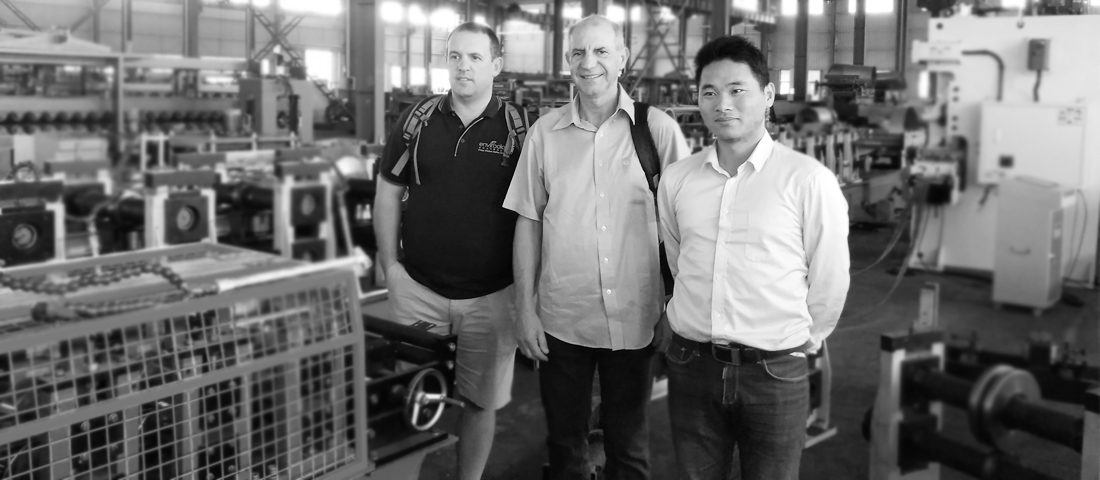
This morning MTC had a pleasant business meeting with clients from Australia. The client contacted MAXON® two weeks ago, enquiring a Z lock eps sandwich panel production line.
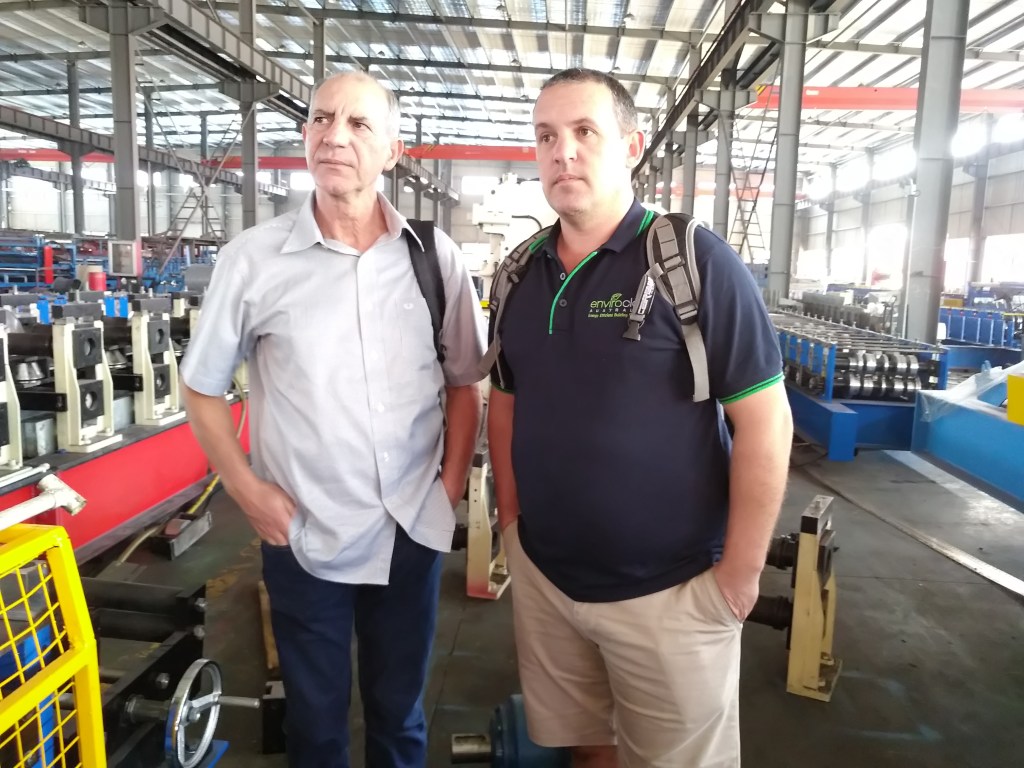
The client is looking for an eps sandwich panel production line to make Z lock insulated sandwich panels for roofing and wall . After receving a formal quote, the client finally decided to visit the company. In addition, the client visited an MTC’s domestic customer who is running its machine. MTC and the client had a short meeting in office building after the client’s touring in our facility.
The client has needs to produce Z lock roofing and wall sandwich panels with EPS insulated. Due to the bad experience with Chinese manufacturer last year, the client paid much attention to the sales service, except for the quality.

After the business meeting, MTC’s manager had a dinner with client, trying Chinese food. Obviously the client has been very interested in Chinese culture and much impressed by Chinese economic development. However, the earlier bad experience pushed him a visit to China before purchasing the eps sandwich panel prodcution line.
The client is running business of EPS sandwich panels in Australia. They provided Z lock roofing and wall sandwich panels to their customers accross the world, including China. They have strict requirements on the quality o the panels, and that makes the quality of the machine line the first priority.
Brief Introduction of the EPS Sandwich Panel Production Line:
An Eps or Rockwool sandwich panel machine line continuously produces sandwich panels with thermal materials insulated. The produced panels are typically applied as the roofing and walls of prefab buildings. The metal skins for roofing sandwich panels are trapezoildal roofing sheets from pre-painted steel coils with thickness 0.3-0.8mm, width 1250mm maximum. The thermal materials for roofing and wall sandwich panels are usually EPS or XPS board, and Rockwool or Glass mineral wool.
EPS/Rockwool sandwich panel production line generally consists of 3 manual decoiler, a roof or wal panel roll forming machine (double layer roll forming machine will be equipped for the production of two types of roof sandwich panels), a feeding table for EPS or XPS board and Rockwool or Glass mineral wool strips, glue mixing system, pressing or composing machine, a tracking fly-saw cutter, run-out table and control system. Optional equipment will be provided as per requests, such as auto stacking machine,and auto packing machine.
Generally there are different types of EPS sandwich panel production lines, according to the final products. Please contact MTC if you have any questions.
Frequently Asked Questions
What materials can be used as the core for a Z lock EPS sandwich panel production line? ›
The core material for your panels depends on the building requirements and budget. For Z lock roofing and wall panels, EPS is a common, economical choice. However, the same production line can often process XPS board, Rockwool, or Glass mineral wool as alternative insulation cores. The specific material you choose will affect panel performance, fire resistance, and insulation values. MTC can help you configure the line for the core material that best suits your application and local building codes.
What metal skin thickness and width can the Z lock sandwich panel line handle? ›
The production line is designed to work with pre-painted steel coils. Based on the page’s description of roofing panels, the line can handle metal skins from 0.3mm to 0.8mm thick, with a maximum coil width of 1250mm. For wall panels, the same thickness range typically applies, but the width may differ based on the panel profile. Your specific coil dimensions will depend on the panel design and whether you are producing roofing or wall panels.
What profile shapes can I produce with this line, especially for roofing panels? ›
This line is specifically intended for Z lock profiles, which are commonly used for both roofing and wall panels in standing seam and concealed fastener systems. For roofing sandwich panels, the outer skin will be formed as a trapezoidal roofing sheet. The line can be equipped with a double layer roll forming machine when you need to produce two different roof panel profiles. The exact profile dimensions, including rib height and spacing, are configured based on your project’s structural and aesthetic requirements.
What are the main components of the Z lock EPS sandwich panel production line? ›
A complete line typically includes three manual uncoilers (decoilers) for the top and bottom metal sheets, plus a roll forming machine for the roof or wall panel profile. For mixed production, a double layer roll former can be used. The line also has a feeding table for the insulation core, a glue mixing and application system, a continuous pressing or composing section, a tracking fly-saw cutter for cutting panels to length, and a run-out table for finished panels. Optional accessories like automatic stacking and packing systems are available upon request.
How is the panel length controlled during cutting, and can I make custom lengths? ›
Panels are cut to length using a tracking fly-saw cutter that moves with the panel as it is produced. This saw allows for continuous processing without stopping the line. You can program the control system to produce panels in various lengths as needed for your projects. The accuracy of the cutting system ensures that each panel has clean, square ends, which is essential for correct Z lock joint fit-up during installation. Exact cutting tolerances should be confirmed with MTC based on your specific production needs.
How do I choose between a single-layer and double-layer roll forming machine? ›
A single-layer roll forming machine is suited to producing one specific profile. A double-layer machine is recommended when you need to produce two different types of roof panels—such as both roofing and wall profiles, or two different roof profiles—on the same line. This setup saves floor space and reduces equipment cost compared to buying two separate lines. The decision depends on the variety of panel profiles your customers require. For a Z lock roofing and wall range, a double-layer machine is often practical.
What essential factors should I verify during a factory visit before ordering a line? ›
When visiting a manufacturer like MTC, focus on the actual build quality of the machine, the control system’s ease of use, and the backup support services. Ask about the installation and training process, as well as the availability of spare parts. You should also inspect a running production line at a local customer’s facility, as the client in this article did, to see the real output quality and operational reliability. Review the sales contract carefully to ensure clear aftersales service commitments are included.

[…] from Australia visited MAXON® last month for EPS sandwich panel production line. Please visit here for more […]