
Greenhouse Industry Roll Forming Machine Applications in Construction
Roll Forming Applications in Greenhouse Construction
The greenhouse industry has evolved dramatically over the past few decades, driven by the need for sustainable and efficient agricultural practices. Among the technological advancements, roll forming machines have emerged as a pivotal component in the production of essential greenhouse structures such as gutters, beams, and frames. These greenhouse industry machines offer unparalleled precision, efficiency, and cost-effectiveness, making them indispensable in modern greenhouse construction. This article delves into the significance of roll forming machines in the greenhouse industry, their benefits, and how they contribute to the production of various greenhouse components.

Overview of Article
The Role of Roll Forming Machines in Greenhouse Manufacturing
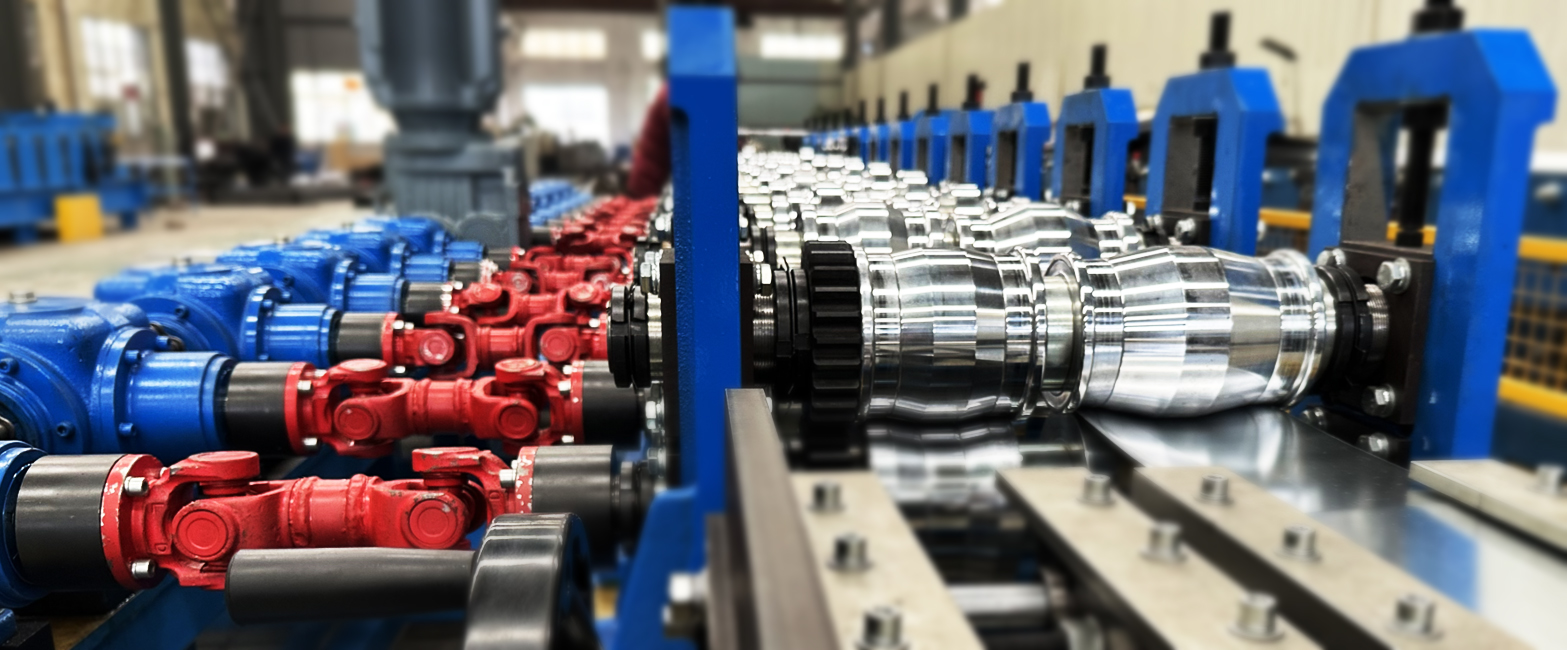
Roll forming is a continuous bending operation in which a long strip of sheet metal, usually coiled steel, is passed through consecutive sets of rolls, or stands, each performing only an incremental part of the bend until the desired cross-section profile is obtained. This process is ideal for greenhouse roll forming applications like greenhouse gutters, beams, and frames, which require consistent precision and durability.
Greenhouse Gutter Roll Forming Machine
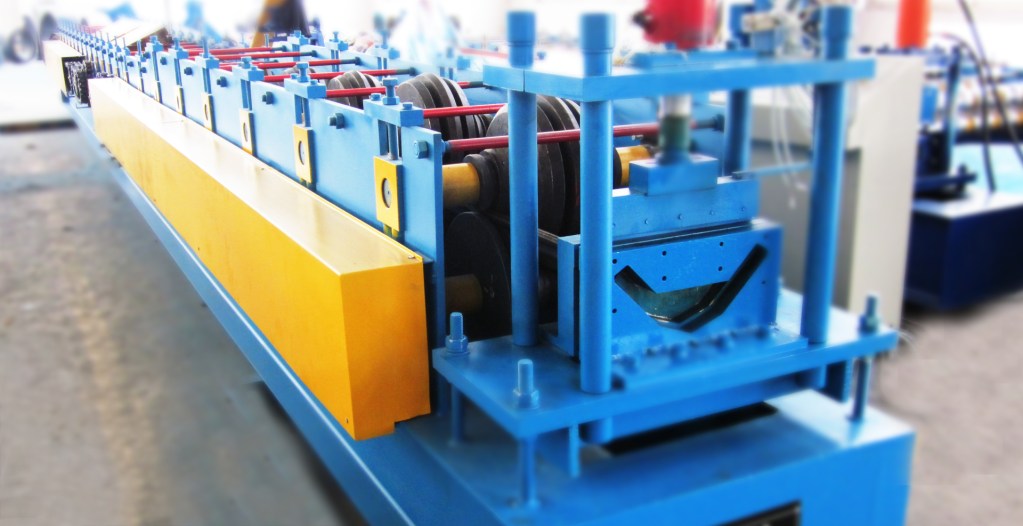
Greenhouse gutters are essential for managing water runoff, preventing leaks, and maintaining the structural integrity of the greenhouse. Roll forming machines are particularly suited for producing gutters due to their ability to create long, uniform profiles with high precision. These machines can handle various materials, including galvanized steel, aluminum, and coated metals, ensuring that the gutters are not only functional but also resistant to corrosion and environmental damage.
Greenhouse Beams and Frames
The structural integrity of a greenhouse largely depends on the quality of its beams and frames. Roll forming machines can produce beams and frames with complex cross-sections, providing the necessary strength and support for the greenhouse structure. The use of roll forming in producing these components ensures that they are lightweight yet strong, facilitating easier installation and reducing overall construction costs.
Benefits of Greenhouse Industry Roll Forming Machine
Precision and Consistency
One of the primary advantages of roll forming for greenhouse construction is their ability to produce components with precise dimensions and consistent quality. This precision is crucial in the greenhouse industry, where even slight deviations can affect the overall performance and longevity of the structure. Roll forming machines are equipped with advanced control systems that ensure each piece meets exact specifications, reducing waste and ensuring seamless assembly.
Efficiency and Cost-Effectiveness
Roll forming is a highly efficient process, capable of producing long lengths of profiles in a continuous manner. This efficiency translates to significant cost savings, both in terms of material usage and production time. The reduced need for manual intervention and the automation of the process further contribute to lower labor costs and increased production speed, making roll forming an economically viable option for greenhouse manufacturers.
Material Versatility
Greenhouse industry roll forming machines can work with a wide range of materials, including various grades of steel, aluminum, and coated metals. This versatility allows greenhouse manufacturers to choose the best material for their specific needs, whether it’s for enhanced corrosion resistance, increased strength, or reduced weight. The ability to easily switch between materials also provides flexibility in meeting diverse customer requirements and adapting to changing market demands.
Customization and Flexibility
Modern greenhouse profile roll forming machines are highly customizable, capable of producing profiles with intricate shapes and varying dimensions. This flexibility is particularly beneficial in the greenhouse industry, where different projects may require unique design specifications. Whether it’s creating bespoke gutter systems or custom-sized beams, greenhouse roll forming machines can be adjusted to meet specific project requirements, ensuring that each greenhouse component is perfectly tailored to its application.
Applications of Roll Formed Components in Greenhouses
Structural Frames
The structural frame of a greenhouse is the backbone of its design, providing the necessary support for the entire structure. Greenhouse profile roll forming machines produce beams and columns with precise tolerances, ensuring that the frame is strong, stable, and capable of withstanding various environmental conditions. These frames can be designed to support different types of greenhouse coverings, including glass, polycarbonate, and plastic films, enhancing the versatility of greenhouse designs.
Roof and Side Panels
Roof and side panels are critical for maintaining the internal environment of a greenhouse, regulating temperature, humidity, and light. Green house profile roll forming machines can produce panels with interlocking features, ensuring a tight seal and preventing leaks. These panels can also be designed with built-in channels for water runoff, further enhancing the functionality of the greenhouse.
Gutter Systems
Effective water management is crucial for the longevity and performance of a greenhouse. Roll formed gutters are designed to efficiently channel water away from the structure, preventing damage and reducing maintenance requirements. These gutters can be customized to fit any greenhouse design, ensuring optimal performance and integration with other components.
Support and Reinforcement Elements
Additional support and reinforcement elements, such as cross braces and trusses, are essential for enhancing the stability and strength of a greenhouse. Greenhouse industry roll forming machines can produce these elements with high precision, ensuring that they provide the necessary support without adding excessive weight. The use of high-strength materials further enhances the durability and performance of these components.
Enhancing Sustainability with Roll Forming
Sustainability is a key consideration in modern agriculture, and greenhouse roll forming machines contribute to this goal in several ways:
Reduced Material Waste
The precision of greenhouse industry roll forming machines minimizes material waste, ensuring that each piece is produced to exact specifications. This efficiency not only reduces costs but also minimizes the environmental impact associated with material waste and disposal.
Energy Efficiency
Roll forming is an energy-efficient process, particularly when compared to traditional manufacturing methods. The continuous nature of the process reduces energy consumption, contributing to a lower carbon footprint for greenhouse manufacturing operations.
Recyclable Materials
Many of the materials used in roll forming for greenhouse construction, such as steel and aluminum, are highly recyclable. This recyclability aligns with sustainable practices, allowing greenhouse manufacturers to reduce their environmental impact and contribute to a circular economy.
Roll forming machines have revolutionized the greenhouse industry, providing a highly efficient, precise, and versatile method for producing essential components. From gutters and beams to structural frames and panels, roll formed products offer numerous benefits, including cost-effectiveness, material versatility, and customization options. As the demand for sustainable and efficient agricultural solutions continues to grow, roll forming machines will undoubtedly play a crucial role in shaping the future of greenhouse construction.
By leveraging the advantages of roll forming technology, greenhouse manufacturers can enhance the quality, performance, and sustainability of their products, contributing to a more resilient and productive agricultural sector. Whether you are a greenhouse manufacturer or a farmer looking to invest in durable and efficient structures, understanding the capabilities and benefits of roll forming machines is essential for making informed decisions and achieving long-term success.
MTC supplies roll forming machines to a variety of applications including:
- Construction and building industry
- Automotive industry
- Appliance manufacturing industry
- Furniture industry
- Solar energy industry
- Material handling industry
- Infrastructure industry
- Electrical enclosures industry
- Rack & shelf industry
- and so on….
About MTC. – MTC. (“Make True Change”) has a history of quality and service dating back to 2009. Since its founding, the company has expanded its market to over 30 countries and is now one of the leading privately held suppliers of metal forming related equipment in China.
Frequently Asked Questions
What materials can be used with a greenhouse gutter roll forming machine? ›
Greenhouse gutter roll forming machines can process a variety of metals, including galvanized steel, aluminum, and coated metals. The choice of material depends on factors like corrosion resistance, structural strength, and weight requirements for your specific greenhouse project. If you are unsure which material suits your climate or design needs, an equipment supplier can advise on compatibility and best practices for your application.
How does roll forming contribute to the structural integrity of greenhouse frames? ›
Roll forming creates continuous, uniform profiles with precise cross-sections, which are essential for structural frames. These profiles provide high strength-to-weight ratios, resulting in frames that are lightweight yet durable. Consistent tolerances achieved during the process ensure components fit together seamlessly, enhancing the overall stability of the greenhouse while reducing assembly time and on-site adjustments.
Can roll forming machines create custom profiles for unique greenhouse designs? ›
Yes, modern roll forming machines offer significant customization and flexibility. They can be configured to produce profiles with intricate shapes and varying dimensions, accommodating bespoke gutter systems, beams, and frames. By adjusting the machine settings, manufacturers can tailor components to meet specific project requirements, ensuring each part matches the design exactly without needing multiple suppliers or secondary processing steps.
What factors influence the production speed of a roll forming machine for greenhouse components? ›
Production speed is influenced by the material type and thickness, section complexity, and the machine’s forming line configuration. Additional operations—such as punching, cutting, or notching—may reduce overall line speed. For precise throughput estimates, consult the machine manufacturer with details about your specific profiles and production goals. They can provide realistic time frames based on your material and design variables.
Are galvanized steel sections suitable for roll formed greenhouse gutters? ›
Galvanized steel is commonly used for roll formed gutters due to its excellent corrosion resistance and durability in outdoor environments. The roll forming process preserves the protective zinc coating, ensuring long-term performance in wet conditions. You can also choose other coated metals or aluminum based on weight or budget considerations, but galvanized steel remains a solid, cost-effective option for managing water runoff effectively.
What role do support and reinforcement elements play in a greenhouse, and how are they manufactured? ›
Cross braces and trusses add essential stability, helping your greenhouse withstand wind, snow, and other stresses. These structural elements are manufactured using high-strength materials—often steel—to maximize support while minimizing extra weight. Roll forming machines are capable of producing these elements with high lengthwise precision, ensuring consistent quality across all load-bearing components and improving overall structural safety.
How does roll forming minimize material waste during steel gutter production? ›
The continuous coil-fed nature of roll forming significantly cuts scrap compared to other manufacturing methods. Because the process is automated and uses precise controls, each run produces profiles to exact specifications, reducing offcuts and rejected parts. Material can be used up to nearly its full length, making the process efficient from a cost and sustainability perspective—beneficial for your bottom line and environmental goals.
