
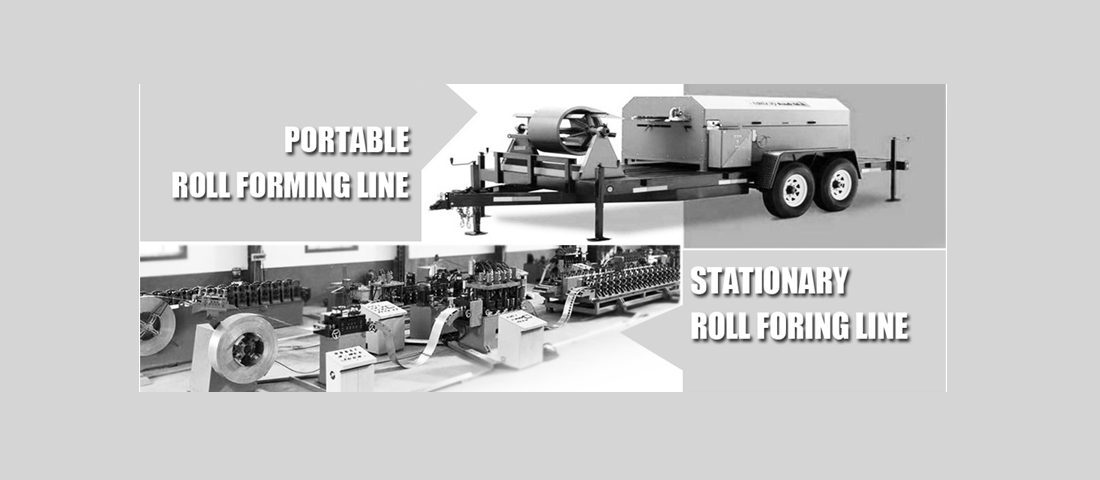
STATIONARY VS PORTABLE Roll Forming Machine Equipment
Whenever we need to purchase a roll forming machine equipment, we always have more than 2 options for different roll forming designs. For example, shall we choose a Factory-based roll former or an On-site roll former?
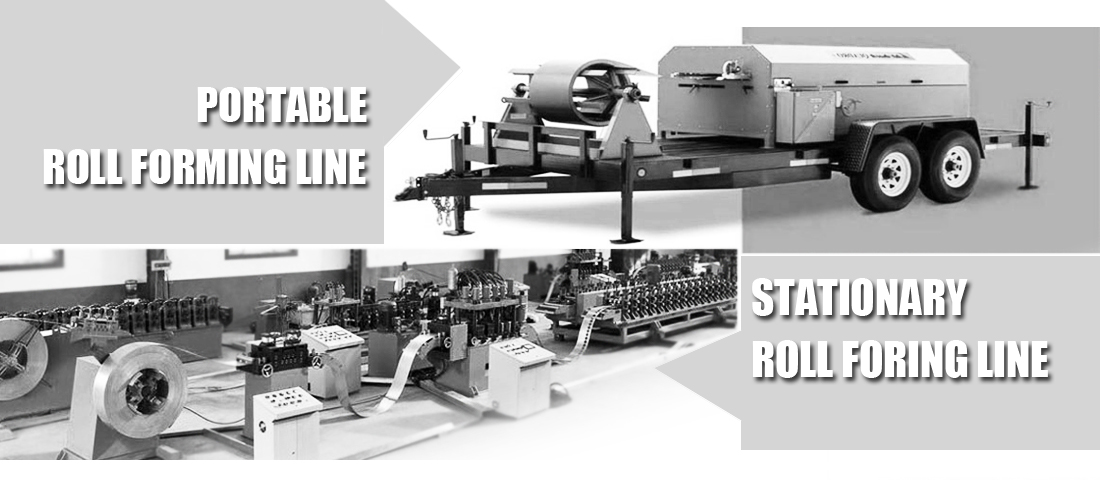
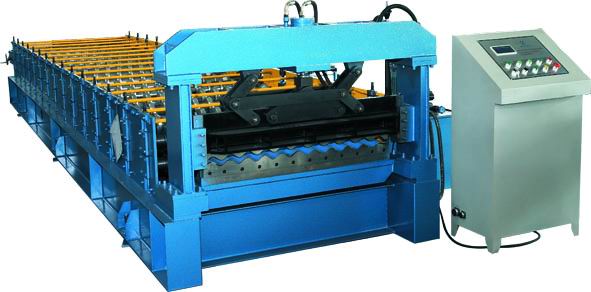
A Factory-based roll former usually has the name as Stationary type roll forming machine. On-site roll formers most of time are known as Portable roll forming machines. In fact, any Portable roll former can be Stationary type, while not all Stationary machines can be portable. Therefore, we need to find out which is better for our project, Stationary or Poartable type roll former.
Before we look inside of both machines, let’s take a brief look at the basics of two designs.
A stationary type machine works indoor (usually in workshop), using the building power. You have to manufacture the products in factroy, and then deliver them to the place where they will be installed. However, a portable roll former is commonly running outdoor. You can take the machine out for production on site. It uses the power from local building, or sometimes it requires a Generator to provide power.
Knowing the basic difference of two types of designs, it seems to be easier for us to make a decision: Portable roll former works bettter for my project. Is it true?
More comparision between Stationary and Portable Roll Forming Machine Equipment.
Now we understand that the working environments for two types of roll formers are different, and let’s move close to the myths of the two different machines designs.
MACHINES WEIGHT. Stationary roll forming machines are usually heavy-duty equipment, and Portable roll formers are light.
RAW MATERIALS: Stationary roll formers typically handle with materials covering thickness 0.3-6mm, width 100-1250mm. A portable roll forming machine equipment usually produce sheets out of 0.3-0.6mm thick and 100-1000mm wide materials. While K span roll forming machine is the only exception.
- RUNNING SPEED. A stationary roll forming machine works at a normaly speed 15m/min, but the max speed can reach 40m/min. However a portable roll former usually works at max speed 20m/min.
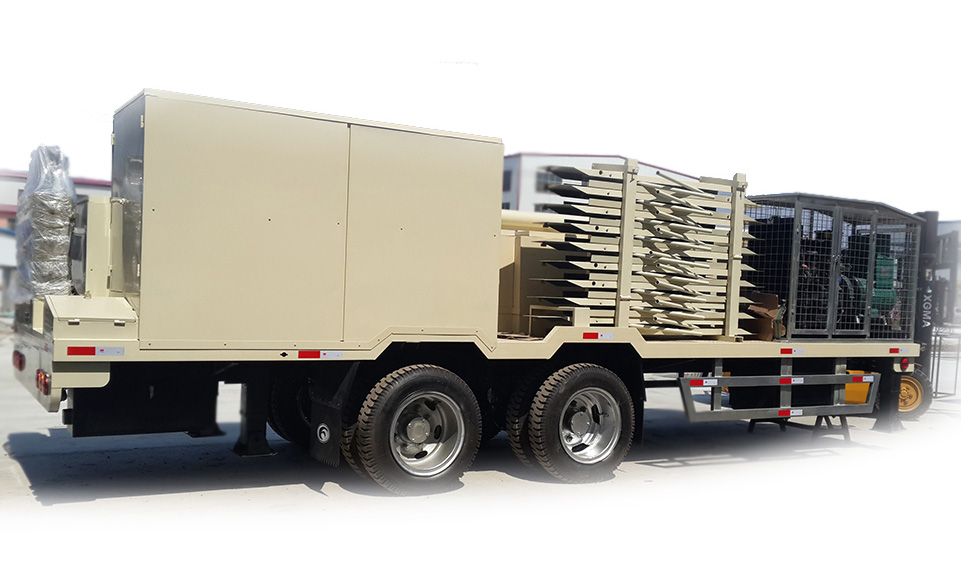
- COMPONENTS. The main components for a stationary roll former are individual, like uncoilers, control unit, hydraulic oil pump and runout tables etc. In contrast, the Portable roll forming machine have all the above components integrated on the trailer.
- PRODUCTS. Usually you can make products less than 12m from Stationary roll former. It’s not because the machine can’t make longer sheets, but longer sheets are not easy for delivery. On the contrary, a Portable roll former can give you products of any lengths. can be
KEY FACTORS OF TWO ROLL FORMING MACHINE EQUIPMENT DESIGNS

Apart from he above listed elements, the cores to make two types equipment different are the roller materials and technology.
The world well-known manufacturers of portable roll formers are like Jobsite for portable gutter and downpipe roll forming machine; M.I.C. Industries, Inc for K span roll forming machine; and NTM for portable standing seam roll forming machine etc. As you may notice, all the above companies are US located, because they hold the unique technology for manufacturing Polyurethane rollers.

Like mentioned above, the PORTABLE design normally is suitable for light gauge rollforming equipment which produces metal sheet products from thin materials. For example, standing seam roll forming machine, stud and track roll forming machine, water gutter and downpipe roll forming machine and so on.
Regardless of the designing, if you are looking to produce heavy-duty metal products, you can only choose the Stationary type roll forming machines. Supposed your workshop is space limited, and you only need to produce light weight metal sheet products; in addition, if longer sheets, especially over 12m length, and on-site installation are necessary, we strongly suggest you the portable roll forming machine or on-site roll forming machine equipment.
Contact MTC if you want to know more about roll forming, and we are standby for help.
Frequently Asked Questions
What factors determine whether a stationary or portable roll forming machine is the right choice for my project? ›
The best choice depends on your project’s working environment, product dimensions, and material requirements. Stationary machines are suited for indoor use, heavy-gauge materials, and producing lengths under 12 meters due to shipping constraints. Portable machines work well outdoors, handle lighter materials, and can produce panels of any length directly on-site. If you need to install long panels or work in remote locations, portable is practical; otherwise, a stationary machine offers more robust production capabilities.
Can a portable roll forming machine produce the same range of material thicknesses as a stationary model? ›
In general, portable roll formers are designed for light-gauge materials, typically around 0.3–0.6 mm thick and 100–1000 mm wide, while stationary machines handle a broader range—up to 6 mm thickness and 1250 mm width. The K-span roll former is an exception to this rule. For heavy-duty structural panels, you should select a stationary roll former, as portable units are not built for that kind of workload.
What are the key differences in machine weight and component layout between stationary and portable designs? ›
Stationary roll forming equipment is generally heavy-duty and set up as separate components, including uncoilers, control units, hydraulic pumps, and runout tables. Portable roll formers are lighter and integrate these components onto a single trailer, making them easier to transport. While any portable unit can operate as a stationary machine, the reverse is not feasible because stationary units cannot be easily moved or operated outside without a dedicated setup.
How does production speed compare between stationary and portable roll forming machines? ›
Stationary roll forming machines typically run at speeds of 15 meters per minute under normal conditions, with maximum speeds reaching 40 meters per minute. Portable machines are usually slower, with a typical maximum speed of around 20 meters per minute. If your project requires very high-volume output, a stationary machine will meet those demands more effectively, whereas portable machines focus on convenience and on-site flexibility rather than peak production rates.
What power sources are commonly used for stationary versus portable roll forming equipment? ›
Stationary machines are typically installed in workshops and run on building electrical power, which provides a stable supply. Portable machines operate outdoors, so they may draw power from local building sources when available, but often require a portable generator to function on remote job sites. Before selecting equipment, evaluate the site’s power accessibility and plan for generator capacity if you choose a portable model.
I plan to produce panels longer than 12 meters. Which type of machine should I consider? ›
For panels exceeding 12 meters, a portable roll forming machine is the practical option. Stationary machines can technically produce longer sheets, but transporting them from the factory to the installation site becomes difficult and costly. Portable units let you form panels directly at the job site, eliminating transportation issues. However, note that portable machines are generally limited to lighter materials, so confirm your material thickness fits within their typical range.
Can a stationary roll forming machine be customized for my specific profile requirements? ›
Yes, stationary machines are commonly built to order and can be customized to produce a wide range of profiles, including corrugated sheets, standing seam panels, studs and tracks, or downpipes. The design process involves configuring the roller dies and the number of forming stations to match your profile’s dimensions. MTC can help you review your profile drawings and material specifications to ensure the machine is engineered for your exact product needs.

[…] produces standing seam roofing. There are two types of standing seam roll former in the market: Stationary Type and Portable Type. In China, 95% machine manufacturers build stationary type standing seam roll forming machine for […]