

Double Layer Roll Forming Machine Shipping to Namibia
The double layer roll forming machine designed for the production of both IBR and Corrugated roofing sheets was loaded to a 40’container and will be shipped to our client in Namibia.
Together were loaded to the 40ft container were a double layer roll forming machine and a coil client ordered for testing before shipping.
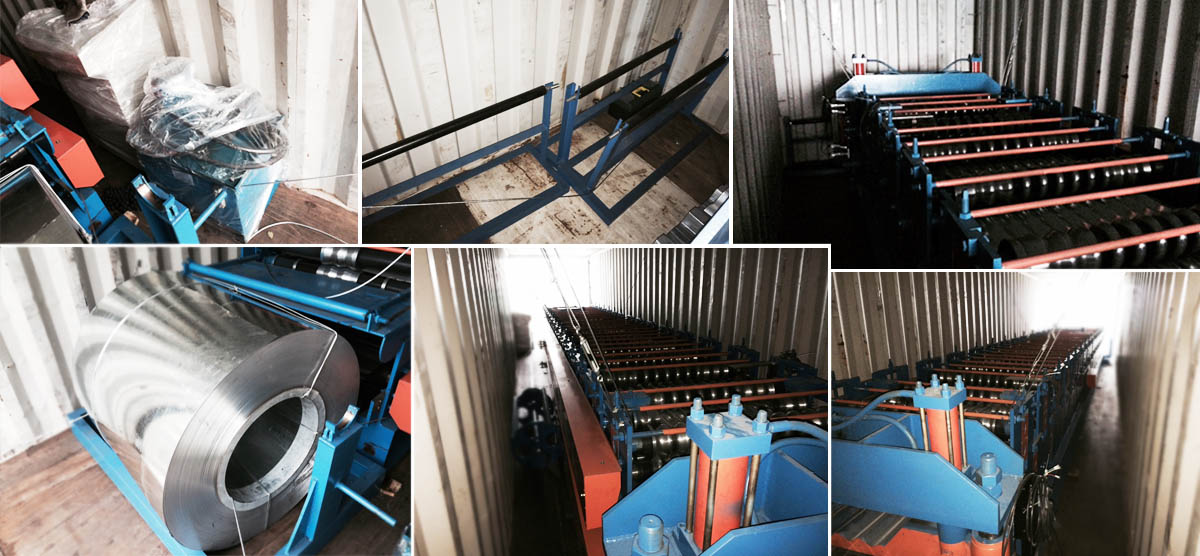
This roll forming machine is called double layer roll forming machine or dual level roll forming machine, sometimes also known as double deck roll forming machine, because it was designed to produce two different roofing or wall cladding sheets on one machine, like IBR & Corrugated roofing sheets for this machine. The raw materials client uses for this double layer roll forming machine are 0.42-0.6mm thickness galvanized steel with 925mm width and 550MPA Yield strenght. PLC control system was equipped with this machine to control the measurement and cutting of finished sheets automatically.
Frequently Asked Questions
What is a double layer (double deck) roll forming machine, and why is it useful for producing IBR and corrugated sheets? ›
A double layer roll forming machine, also called a dual-level or double-deck machine, houses two forming lines in one frame—one above the other. This setup lets you produce two different profiles (like IBR and corrugated sheets) on a single machine. The main advantage is space efficiency and lower cost compared to buying two separate lines. For this Namibia shipment, the same machine handles both profiles, which is ideal for roofing contractors needing flexibility without taking up extra factory floor space.
What raw material specifications were used with the double layer machine shipped to Namibia? ›
For this specific project, the client used galvanized steel coils with a thickness between 0.42 mm and 0.6 mm and a width of 925 mm. The steel had a yield strength of 550 MPa. These specifications are suitable for producing sturdy yet formable roofing sheets. When considering your own material, note that the roll forming tooling must match your strip width and the mechanical design should be rated for your material’s strength to ensure accurate forming and long die life.
How does the PLC control system work on this double layer roll forming machine? ›
The PLC (Programmable Logic Controller) automatically manages the machine’s two core functions: measuring the length of the finished sheet and cutting it to the required size. Instead of manual stops or simpler counters, the PLC receives signals from an encoder that tracks the material position. It then triggers the cutting operation at the exact preset length. This ensures consistent panel dimensions run after run, reduces material waste, and allows the operator to easily adjust length settings from the control panel.
Was a coil of material included with this shipment, and why would that be necessary? ›
Yes, the load included a coil of raw material alongside the roll forming machine. The purpose was to allow the client to run a test immediately after installation without waiting for their own local steel supply. This is a practical approach for commissioning. It helps verify that the machine unwinds, forms, and cuts correctly under real operating conditions using the specified 925 mm wide, 0.42-0.6 mm thick coil. It also lets the client check the sheet quality right away.
How does the double layer machine achieve the ability to form two different profiles (IBR and corrugated)? ›
The machine contains two separate sets of forming rollers, stacked vertically to save floor space. One deck is tooled for IBR (Inverted Box Rib) profiles, and the other is tooled for standard corrugated profiles. Changeover between profiles is done by switching which deck the coil passes through. Typically, you unthread the first line, then feed the strip through the second set of rollers. This design means only one machine frame, one motor system, and one PLC control the entire process, simplifying maintenance and operator training.
What container size was used for this double layer machine shipment, and what does that indicate about logistics? ›
The machine and test coil were loaded into a single 40-foot container. This is a common and efficient shipping method for large industrial equipment. The fact that the entire machine plus a full coil fitted into a 40ft container shows that the machine is designed to be space-efficient and doesn’t require oversized cargo shipping, which can reduce freight cost. When planning your purchase, confirm the machine’s footprint and whether it can fit within a standard container to understand shipping time and delivery logistics to your port.
What factors should I consider regarding installation and operation of a double layer machine, based on this example? ›
Based on this project, you need adequate floor space for the machine and room for loading coils at the entry side and stacking finished sheets at the exit. The 40ft container also means you will need unloading equipment on-site, like a forklift or crane. Since it runs on 550 MPa steel, ensure your electrical supply meets the motor and PLC requirements. Finally, remember the test coil indicates that commissioning requires a length of material to run through the profile—plan to have local steel available immediately to validate setup.
