
Unlocking the Versatility and Efficiency of Z-Profile Roll Forming Machines
Z-profiles are integral components in modern construction, renowned for their strength, versatility, and cost-effectiveness. At the heart of their production lies Z-profile roll forming machines, sophisticated equipment that shapes raw materials into the desired structural profiles. In this article, we delve into the definition, characteristics, applications, and advantages of Z-profiles, shedding light on the efficiency and versatility unlocked by these specialized roll forming machines.
Table of Contents
Definition and Characteristics of Z-Profiles:
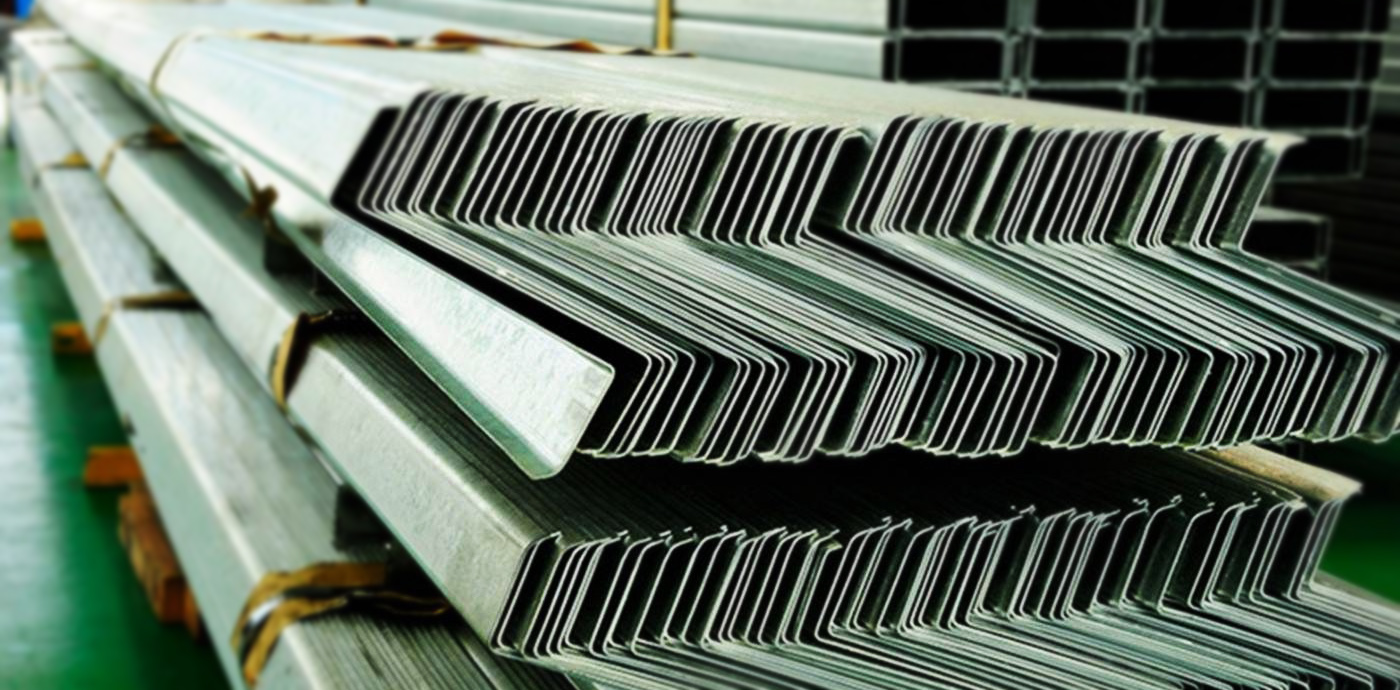
Z-profiles, also known as Z-sections or Z-bars, are structural shapes featuring a distinctive “Z” cross-section. This shape consists of a flange on one side and a lip on the other, providing robustness while allowing for easy interlocking with other building components. Z-profiles boast excellent strength-to-weight ratios, making them ideal for various construction applications, from roofing and cladding to structural framing.
Applications in Roofing, Cladding, and Structural Framing:
Z-profiles find widespread applications across various sectors of construction:
- Roofing: Z-profiles serve as purlins or support beams in roofing systems, offering strength and stability while spanning long distances between roof trusses or rafters.
- Cladding: In building exteriors, Z-profiles function as siding or cladding components, providing both aesthetic appeal and structural integrity through their interlocking design.
- Structural Framing: Z-profiles are utilized in structural framing applications such as wall studs, floor joists, and ceiling furring, offering versatility and efficiency in framing solutions.

Advantages like Versatility and Cost-Effectiveness:
Z-profiles and their roll forming process offer several key advantages:
- Versatility: Z-profiles can be tailored to meet specific design requirements, including different sizes, thicknesses, and material types, making them suitable for a wide range of construction applications.
- Cost-Effectiveness: The roll forming process enables efficient mass production of Z-profiles with minimal material waste, resulting in cost savings for manufacturers and builders.
- Strength and Rigidity: The unique shape of Z-profiles provides inherent strength and rigidity, allowing them to withstand heavy loads and structural stresses, ensuring long-term structural integrity.
Overview of Z-Profile Roll Forming Machines:
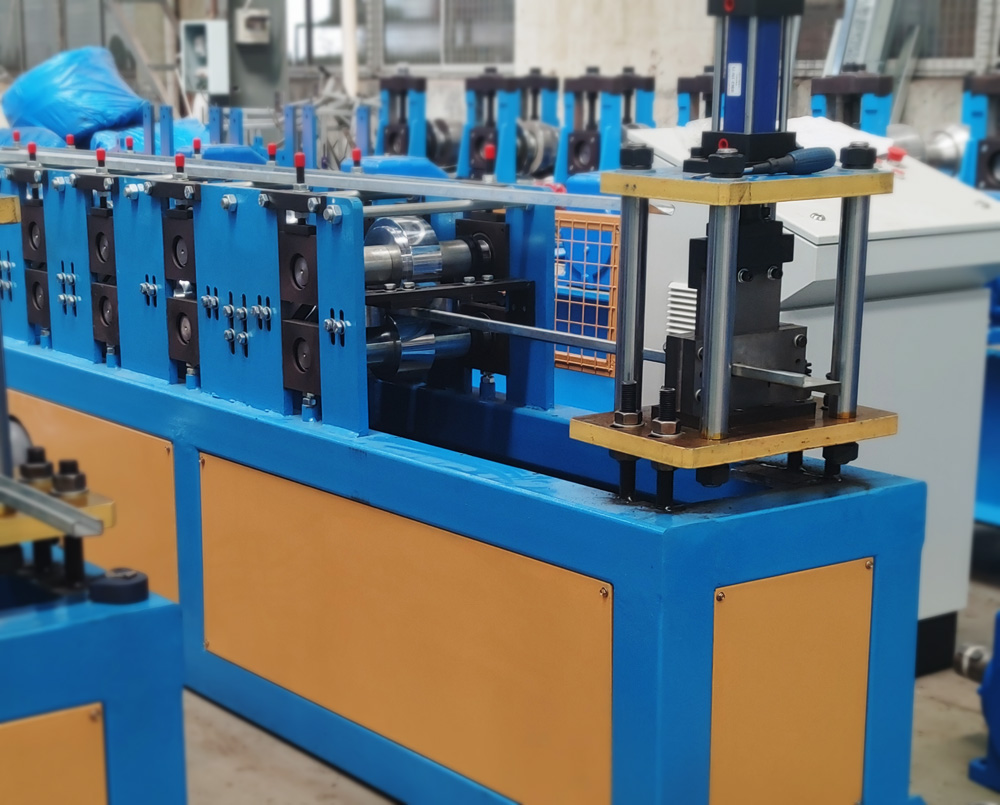
Z-profile roll forming machines are precision-engineered devices designed to fabricate Z-profiles from coil stock materials such as steel, aluminum, or other metals. These machines operate through a series of rollers that gradually shape the metal strip into the desired Z-profile configuration. Like a c steel purlin roll forming machine, the process involves feeding the coil through a sequence of rollers, each set incrementally bending the material until the final Z-profile shape is achieved. This efficient manufacturing process ensures high precision and consistency in profile production.
Main Components of Z Profile Roll Forming Machines:
- Uncoiler: The uncoiler serves as the starting point, holding the coil stock material in place and feeding it into the roll forming machine.
- Roll Forming Stands: These stands consist of a series of rollers, each performing a specific bending or shaping action on the material as it passes through.
- Cutter: The cutter is responsible for cutting the formed Z-profiles to the desired length, ensuring uniformity and precision in the final products.
- Control Panel: The control panel houses the machine’s interface, allowing operators to input parameters, monitor operations, and adjust settings as needed.
Main Specifications of Z Profile Roll Forming Machines:
- Material Thickness: Z steel purlin roll forming machines can accommodate a wide range of material thicknesses, typically ranging from 0.5mm to 3mm, depending on the specific model and requirements.
- Roller Diameter: The diameter of the rollers determines the bending radius and profile precision. Standard roller diameters range from 50mm to 120mm.
- Forming Speed: Forming speed refers to the rate at which the machine processes the material and shapes it into Z-profiles. Typical forming speeds range from 10 to 30 meters per minute. In some occassions there are different punching holes required, and this will inflect the whole production speed.
- Machine Dimensions: Machine dimensions vary based on the size and capacity of the roll forming system, with typical lengths ranging from 6 to 12 meters and widths ranging from 1 to 2 meters.
Main Functions of Z Channel Roll Forming Machines:
- Precision Shaping: The primary function of Z profile roll forming machines is to accurately shape raw materials into Z-profiles with consistent dimensions and specifications.
- High-Speed Production: These machines are capable of high-speed production, ensuring efficient throughput and maximizing manufacturing output.
- Customization: Z purlin roll forming machines offer flexibility in profile design and customization, allowing for the creation of tailored solutions to meet specific industry and application requirements.
- Automation: Many modern Z profile roll forming machines feature advanced automation capabilities, reducing the need for manual intervention and optimizing production workflows.
Z-profile roll forming machines play a pivotal role in unlocking the versatility and efficiency of Z-profiles in construction. Their precision manufacturing process, coupled with the inherent strength and cost-effectiveness of Z-profiles, makes them indispensable components in modern building projects. Z channel roll forming machines are indispensable assets in industries requiring the efficient production of Z-profiles. By understanding their main components, specifications, and functions, manufacturers can harness the full potential of these machines to streamline production processes, enhance product quality, and stay ahead in competitive markets.
MTC supplies roll forming machines to a variety of applications including:
- Construction and building industry
- Automotive industry
- Appliance manufacturing industry
- Furniture industry
- Solar energy industry
- Material handling industry
- Infrastructure industry
- Electrical enclosures industry
- Rack & shelf industry
- and so on….
About MTC. – MTC. (“Make True Change”) has a history of quality and service dating back to 2009. Since its founding, the company has expanded its market to over 30 countries and is now one of the leading privately held suppliers of metal forming related equipment in China.