

The Evolution of Cold Roll Formers: From Invention to Modern Metal Roll Forming Solutions
A Legacy of Innovation
Born from 19th-century sheet metal bending experiments, cold roll forming emerged as a breakthrough during the 1920s automotive boom. Unlike hot-forming methods, it shaped room-temperature steel coils into precise profiles with minimal material waste. By the 1950s, integrated punching and cutting units transformed it into the continuous production powerhouse we recognize today – the foundation of modern construction and manufacturing.
The cold roll former, a revolutionary metal roll forming machine, has transformed the construction and manufacturing industries. Initially designed to shape steel sheets continuously from coils, this innovative equipment has evolved to meet the demands of modern construction projects, from residential roofing to industrial flooring systems. With technological advancements, cold roll formers now offer precise, automated, and high-efficiency production, enabling manufacturers and contractors to reduce costs while increasing output.
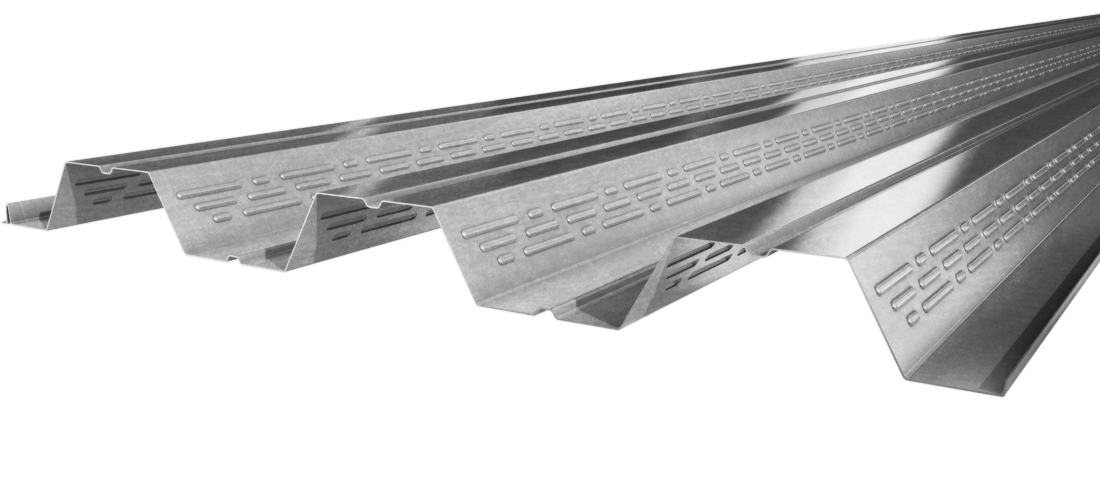
Table of Contents
The Birth of the Cold Roll Former

The concept of cold roll forming emerged as a solution to the labor-intensive and time-consuming process of bending and shaping metal sheets manually. Early roll formers allowed manufacturers to produce long runs of consistent steel profiles, such as channels, purlins, and decking panels, at speeds far exceeding traditional methods. By feeding steel coils through consecutive rolling stands, each with specialized tools, sheets were gradually bent into the desired profiles without heating. This process preserved the metal’s strength and enhanced its structural properties.
Over time, roll forming machine design incorporated additional functionalities. Manufacturers began adding punching units, cutting stations, embossing systems, and even labeling modules directly on the line. This integration allowed a single machine to complete multiple production steps, saving both labor and time while maintaining high precision.
Modern Applications and Advantages
Today, cold roll formers are indispensable in the construction and metal fabrication industries. Contractors and manufacturers use these machines to produce metal floor decking, roof flashing, C purlins, IND panels, and other structural components. By owning a cold roll former, businesses can manufacture products for their own projects and meet market demands efficiently.
Take, for example, a construction professional who produces metal floor decking in-house. By operating a dedicated metal floor deck roll forming machine, they can supply their own projects while generating additional revenue by selling excess panels. This self-sufficiency eliminates dependency on third-party suppliers, reduces procurement costs, and ensures consistent quality and timely delivery.
The versatility of cold roll formers is another key advantage. Machines can switch between producing flat panels, curved sheets, or specialized profiles with minimal downtime. Automated control units ensure consistent dimensions, accurate cutting, and precise punching, making them ideal for high-volume production environments.
Key Considerations When Purchasing a Cold Roll Former
Selecting the right stud and track roll forming machine requires careful evaluation. Buyers should consider the types of products they intend to manufacture, the production capacity required, and the machine’s additional functionalities. Cold roll formers are composed of several key components, including:
- Decoiler: Holds and unwinds steel coils for feeding.
- Feeding Unit: Ensures smooth and consistent material input.
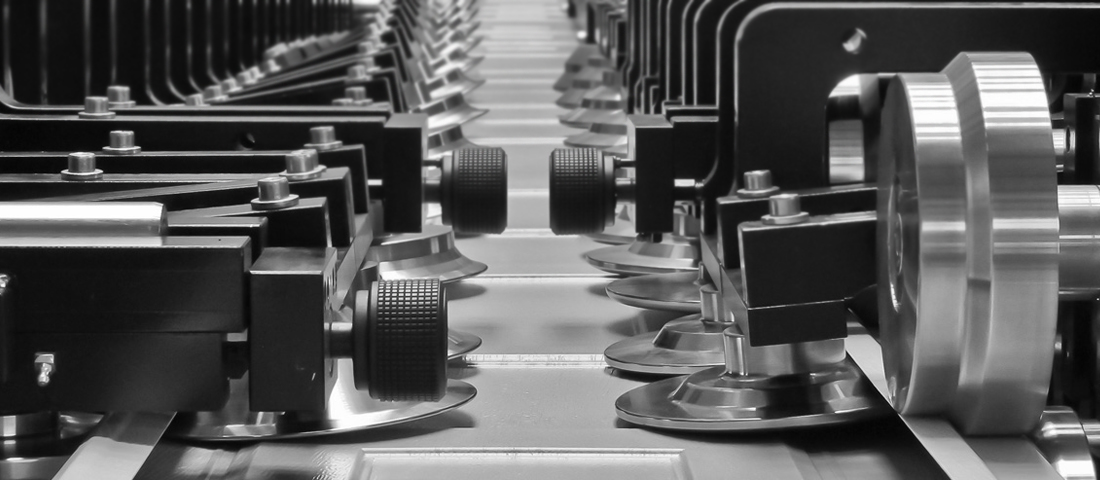
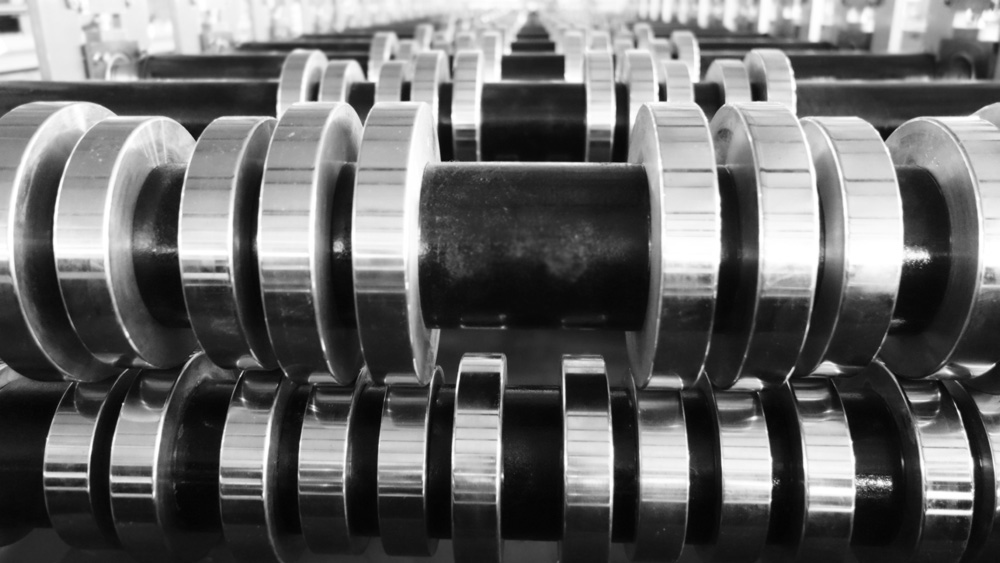
- Roll Forming Unit: Bends and shapes metal into the desired profiles.
- Cutting Unit: Precisely trims finished products to length.
- Output Unit: Collects the finished pieces efficiently.
- Control Unit: Monitors and automates the production process.
Additional components may be included depending on specialized applications, such as embossing or labeling. It is crucial to communicate production requirements clearly to the manufacturer, as similar products may be produced using different machine designs. For instance, C purlins can be manufactured either by a traditional roll forming machine or a quick-change design, each with distinct benefits and price points.
How will manufacturers build cold roll forming machines?
Different manufacturers may construct the metal floor deck machine differently. Some may produce lower-quality machines, while others build them to last.
The materials used for the cold roll former, along with the welding and painting processes, can be key indicators of quality.
The treatment of the rolling tools is also crucial, such as the machining of the rollers. More information about machining for the cold roll former can be found in the article HOW DOES MACHINING OPERATION MATTER TO ROLLFORMING SOLUTIONS?
Overall, before purchasing a cold roll forming machine, you must thoroughly understand your requirements for the machine.
Different designs, components, and treatments will be necessary depending on its intended use.
You cannot obtain accurate information from manufacturers unless you provide them with clear details about your requirements.
Check our article that can assist you in making the right decision regarding the purchase of a roll forming machine. HOW TO CHOOSE A RELIABLE ROLL FORMING MACHINE SUPPLIER IN CHINA?
The Future of Cold Roll Forming
The future of cold roll forming is closely tied to automation, digitalization, and material innovation. Smart roll formers equipped with sensors, automated adjustment systems, and remote monitoring capabilities are becoming more prevalent. These advancements allow operators to produce complex profiles with minimal manual intervention, optimize material usage, and ensure consistent product quality.
Additionally, the integration of Industry 4.0 technologies is enabling manufacturers to track production data, monitor energy consumption, and predict maintenance needs. This data-driven approach enhances productivity and reduces downtime, helping companies remain competitive in a rapidly evolving market.
As demand for high-performance construction materials continues to rise, cold roll formers will play an increasingly critical role. Modern machines are capable of producing energy-efficient panels, corrosion-resistant profiles, and aesthetically appealing cladding systems, all while maintaining speed and precision.
Why This Matters for Your Business
Cold roll forming has evolved from a niche industrial process to a strategic profit engine. As Gaby Barakat demonstrated, it enables construction firms to:
- Control critical supply chains
- Monetize excess capacity
- Eliminate single-source dependencies
With emerging IoT and green tech advancements, roll formers will soon become self-optimizing assets – making now the ideal time to invest in this 100-year-old innovation entering its smart manufacturing renaissance.
MTC® has been involved in the manufacturing and supplying of a large variety of Metal rollforming machine for around 20 years. Our experienced and professional team is always available to help you secure a reliable cold roll former at the right price. Feel free to Contact us if you have any questions about cold roll formers.
FAQs About Cold Roll Formers
What is the future of cold roll formers?
The future includes smart, Industry 4.0-enabled machines with automated monitoring, energy efficiency, and digital production tracking for optimized performance.
What is a cold roll former?
A cold roll former is a machine that continuously shapes metal sheets from steel coils into profiles such as C purlins, decking panels, or roofing sheets.
Why should I invest in a metal forming machine?
Owning a cold forming machine reduces dependency on suppliers, lowers production costs, increases efficiency, and provides an additional source of revenue.
What products can be made with a roll forming equipment?
Common products include metal floor decking, roof flashings, C purlins, IND panels, and custom structural profiles.
What components are included in a cold roll forming machine?
Key components are the decoiler, feeding unit, roll forming unit, cutting unit, output unit, and control unit.
Can one machine produce multiple profiles?
Yes. Modern machines can switch between profiles and perform additional operations such as punching, embossing, and labeling.
How do I choose the right forming machine?
Consider the product types, production volume, machine design options, and the manufacturer’s reliability and quality standards.
What is the difference between traditional and quick-change machines?
Traditional machines produce one profile per setup, while quick-change machines can switch profiles rapidly, reducing downtime and increasing flexibility.
How does machine quality affect production?
High-quality machines ensure precise profiles, lower maintenance costs, long-term durability, and consistent product output.
Are cold roll formers automated?
Modern cold roll formers include automated control systems for precision rolling, cutting, and punching, minimizing manual intervention.





[…] Unlike steel sheet, Aluminum is much softer and fragile, so it’s very difficult to get aluminum sheet into desired form or shapes, either by stamping or by roll forming. […]
[…] A cold roll former is a metal roll forming machine that can continuously produce metal profiles, generally from steel coils. Besides, the cold roll former line performs additional operations on the line, such as cutting, embossing, punching, and label printing. Cold-rolled steel is more durable and prevents the additional costs of time and materials used to heat and cool the metal. MTC has been manufacturing and delivering a wide range of cold roll formers and has numerous applications from automobiles to planes, appliances, and houses. […]
[…] Cold Roll Former,Cold Roll Forming Machine Manufacturer […]