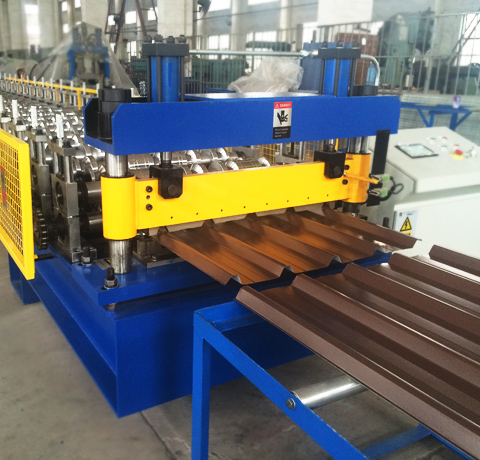
686 & 790 profiles popular in Africa
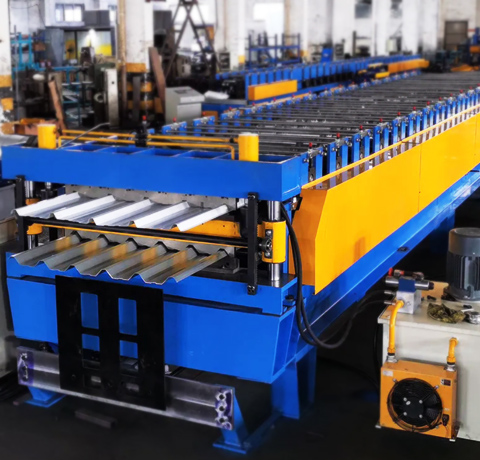
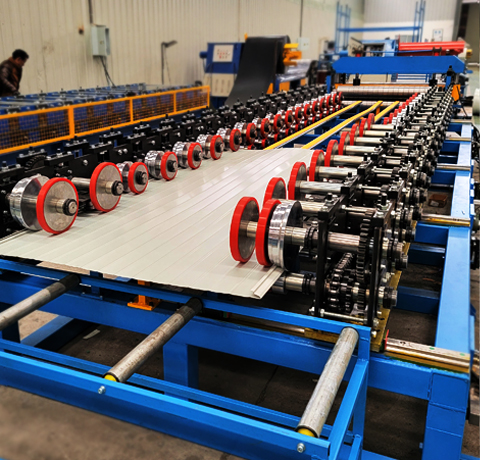
“Double Output, Affordable Investment”. Two profiles on One machine.
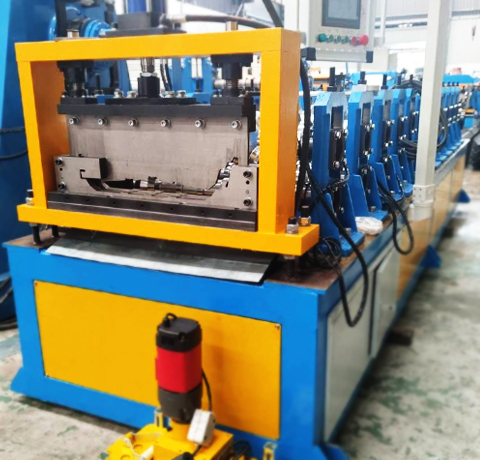
Concealed Fixing Roof Panels, KR24/LR24 Roofing, Snap Lock
Explore the common questions and answers about Roof and Wall machines
A: It is a production line that continuously forms metal coils into roofing sheets, wall panels, or structural sections through a series of rollers. The process ensures precise dimensions and high efficiency for mass production.
A: They can manufacture roof sheets, wall cladding, corrugated panels, standing seam roofing, sandwich panels, and decorative siding panels.
A: Compared to press braking or stamping, roll forming provides continuous production, lower material waste, consistent quality, and reduced labor cost, making it ideal for medium and large-scale projects.
A: A single layer machine produces one profile, while a double layer machine integrates two sets of rollers to make two profiles on the same line. However, both profiles cannot run at the same time.
A: Roll forming machines can process galvanized steel, pre-painted steel, galvalume, stainless steel, aluminum, and even copper. The thickness range is usually 0.3–6.0 mm depending on the profile.
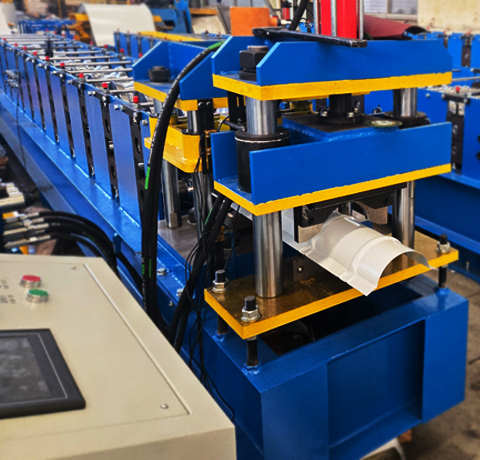
A: The machine features a PLC control system with a touch-screen interface for easy operation, allowing quick setup, profile changes, batch counting, and fault diagnosis.
A: Yes, MTC offers complete installation services and operator training as per required to ensure your team can run the equipment efficiently from day one.
A: Yes. The roll forming machine can be combined with coil loading systems, automatic stacking, and other downstream equipment to create a fully automated metal decking production line.





That’s right! Don’t want to miss out new machines launched, local events, special offers? Sign up to our emails to be notified of the first update.
We will use the information you provide on this form to be in touch with you and to provide updates and marketing. Your privacy will be well protected!